Return and Review 1.1
- Ex 1.
- Beginning Stage 3 of the course signalled a time for review for me . I felt I had run down too many rabbit holes in the previous sections , reviewing and focussing in on work that took me away from what my interests and passions were and are.
- It was pertinent that this section was very much focussed on looking back and ‘returning’ as my sense of slight despair abated when I reconsidered the pathway I wanted to peruse going forward.
- Whilst not dissatisfied with my work on “Shrine” or Veneration it was taking me into a narrative that was incredibly complex and muti layered, the subject matter was getting in the way of my creativity as I sought to match the narrative with the creative process and making of a final outcome.
- I have returned the drawing board with a clearer focus and will continue to work with the areas that I am passionate about that excite and invigorate my creative process. For the purpose of these exercises and my own needs I have re-set where I would like to proceed from and rediscovered my passions. The themes I return to over and over again are;
- Fragility
- – times relentless passing
- Loss and the fleetness of moments it brings
- Preserving what or will be lost
- Ephermeral qualities within that preservation of material
- The beauty of decay, decomposition
- Bringing the narrative back to life, reimagined, re purposed reconsidered.
Female Mental Health –
- Shrouding it.
- Its manifestations
- Is presentations
- Its similes – ( manifestations of)
- Its disguises
- Societal pressures
Materials – Found Objects –
- The materiality of the objects
- Their resurrection/restoration
- Their New purpose
- Their appreciation
- ‘ where matter and emotions meet ‘ Tom Mc Carthy .
- Historic and environmental attributes and story
- Human essence with in them.
- These objects/materials consist of :
- Rubbish/ detritus from old buildings, crumbling walls and paint work.
- Fluff and dust – historic rich with past presence and essence
- Prints and impressions wither from pressing, cyanotype, marks etc (mould) and impressions.
Examples of some work :
2019 – Work revisited looking at foliage / flower – indents, marks , ancient paper, fragility, conservation, time, ephemeral qualities.
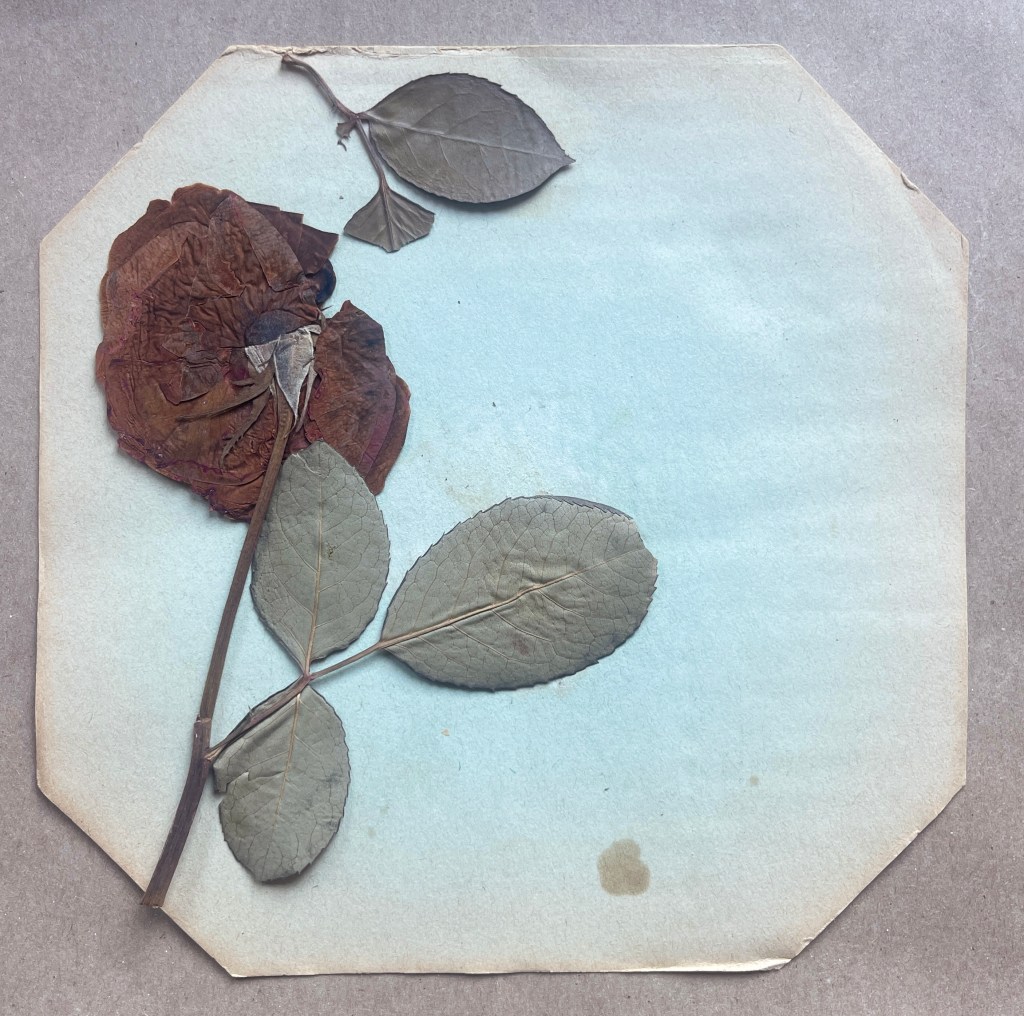
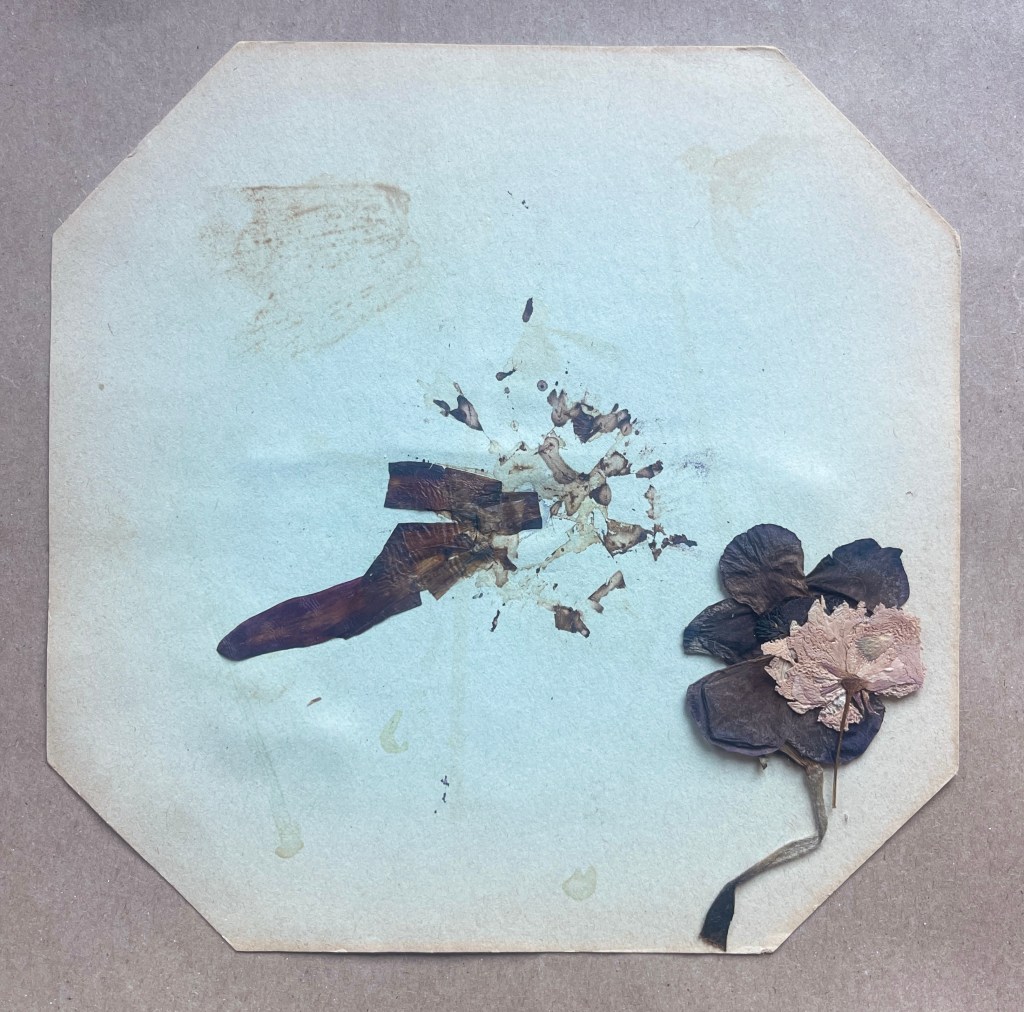
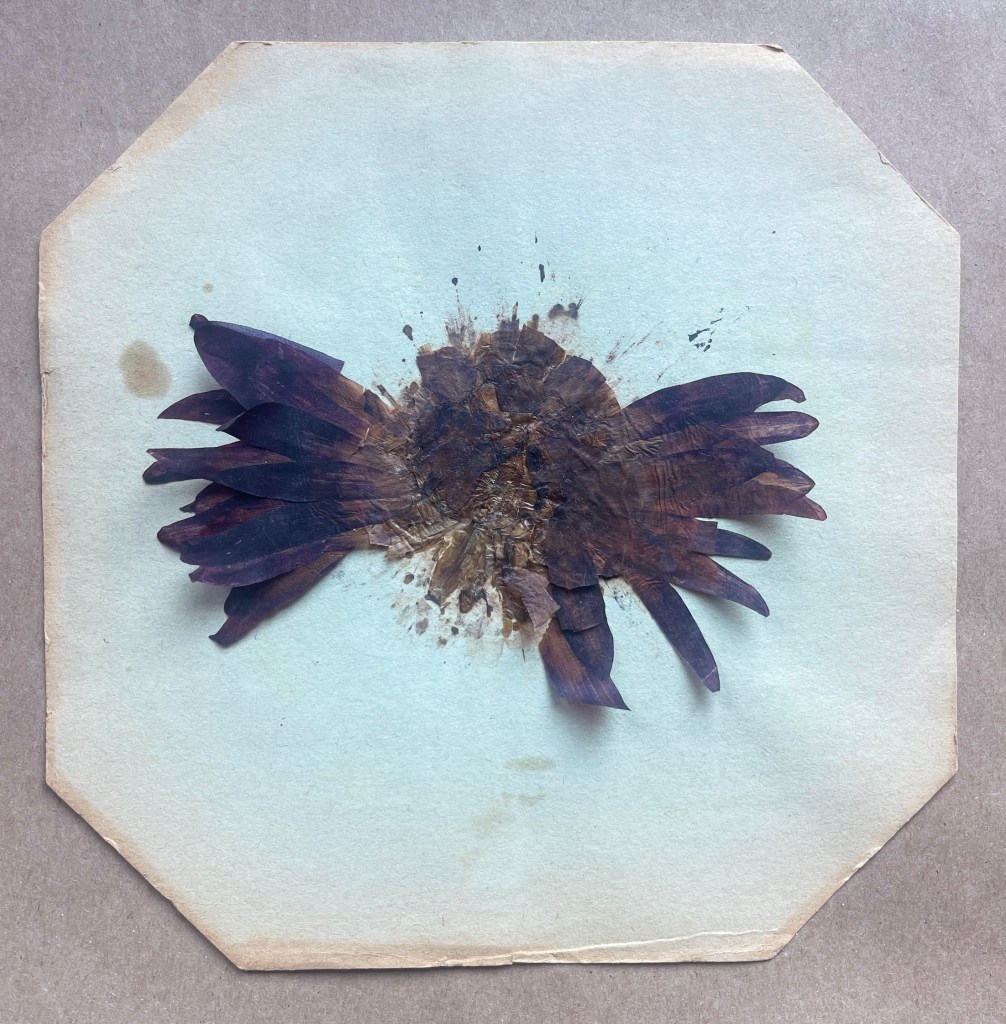
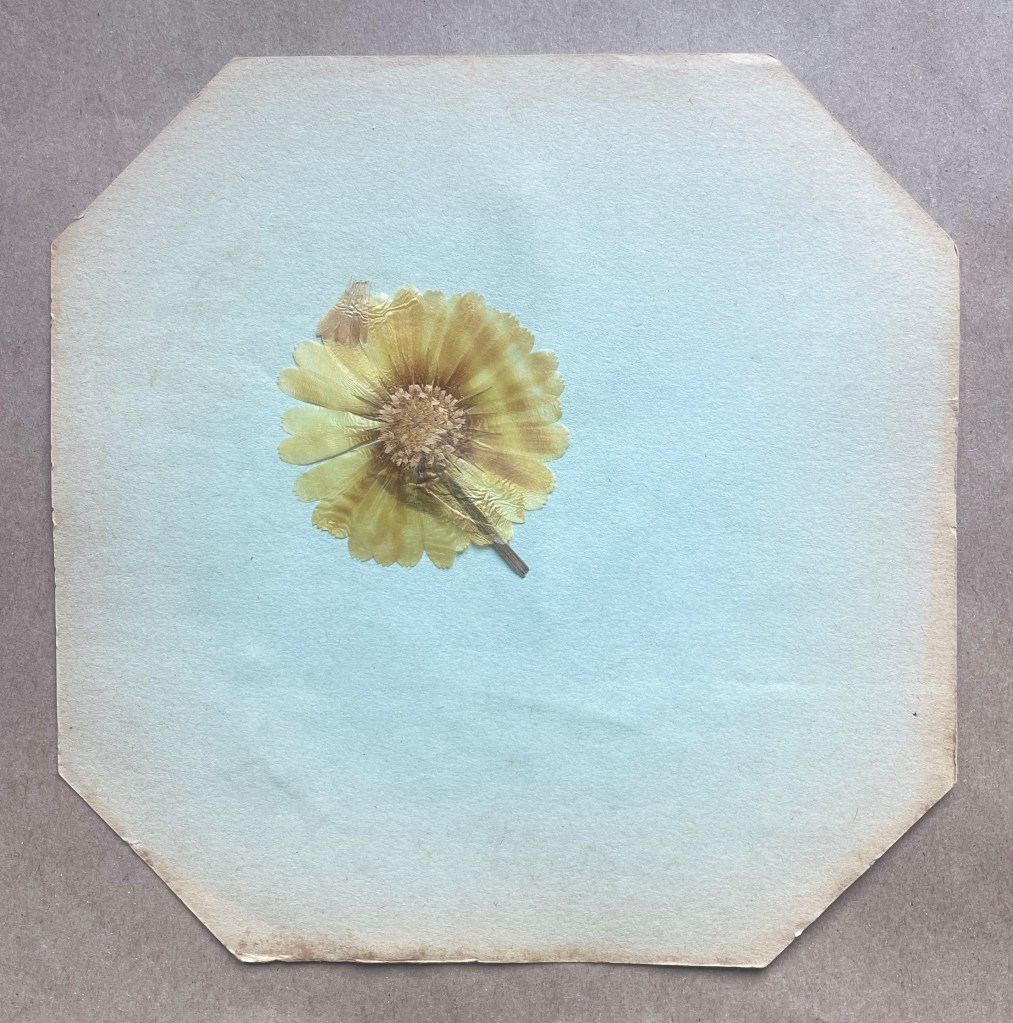
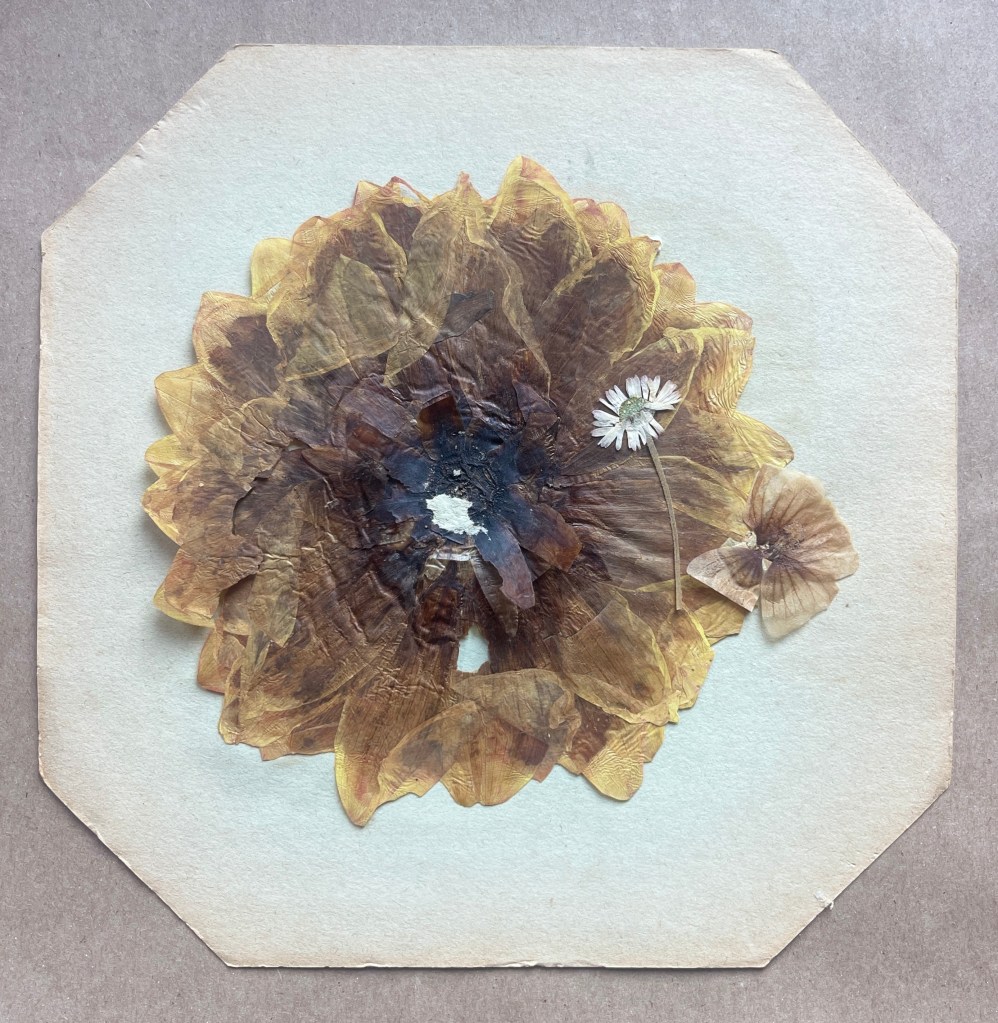
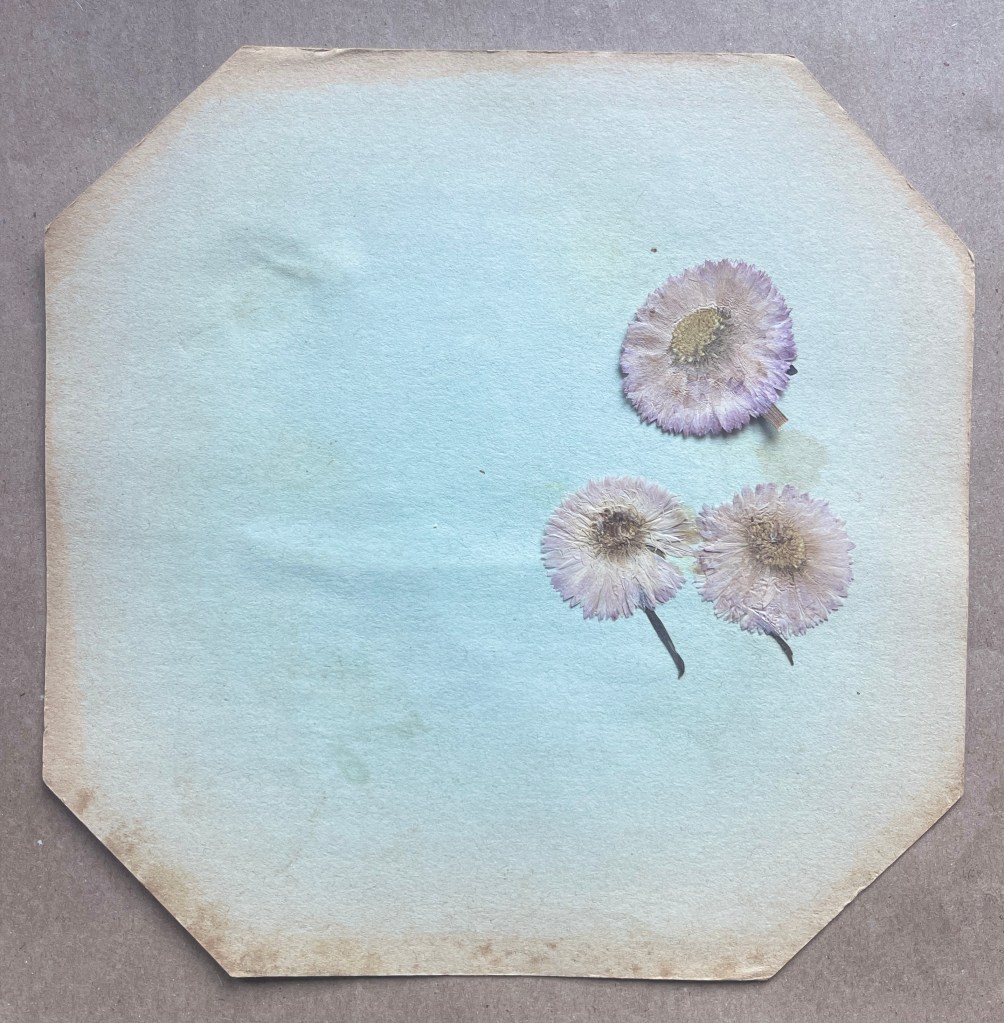
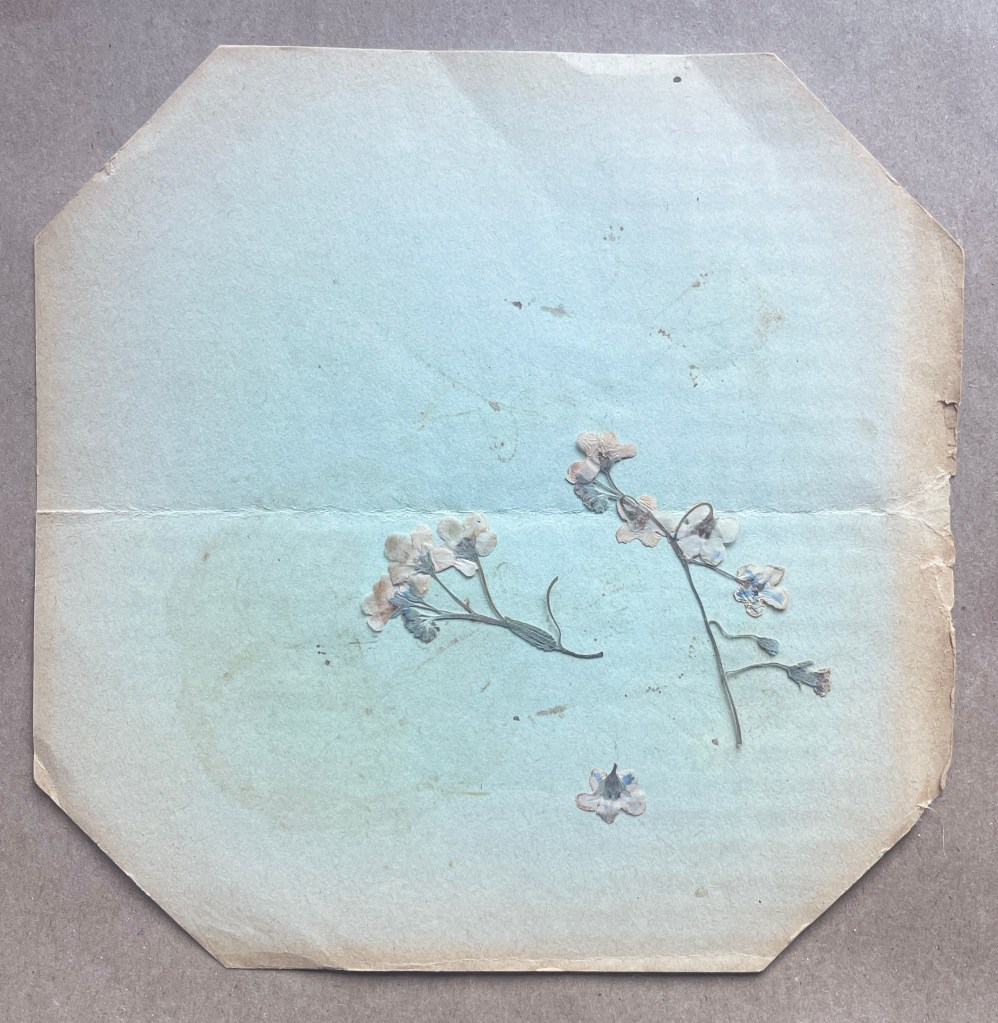
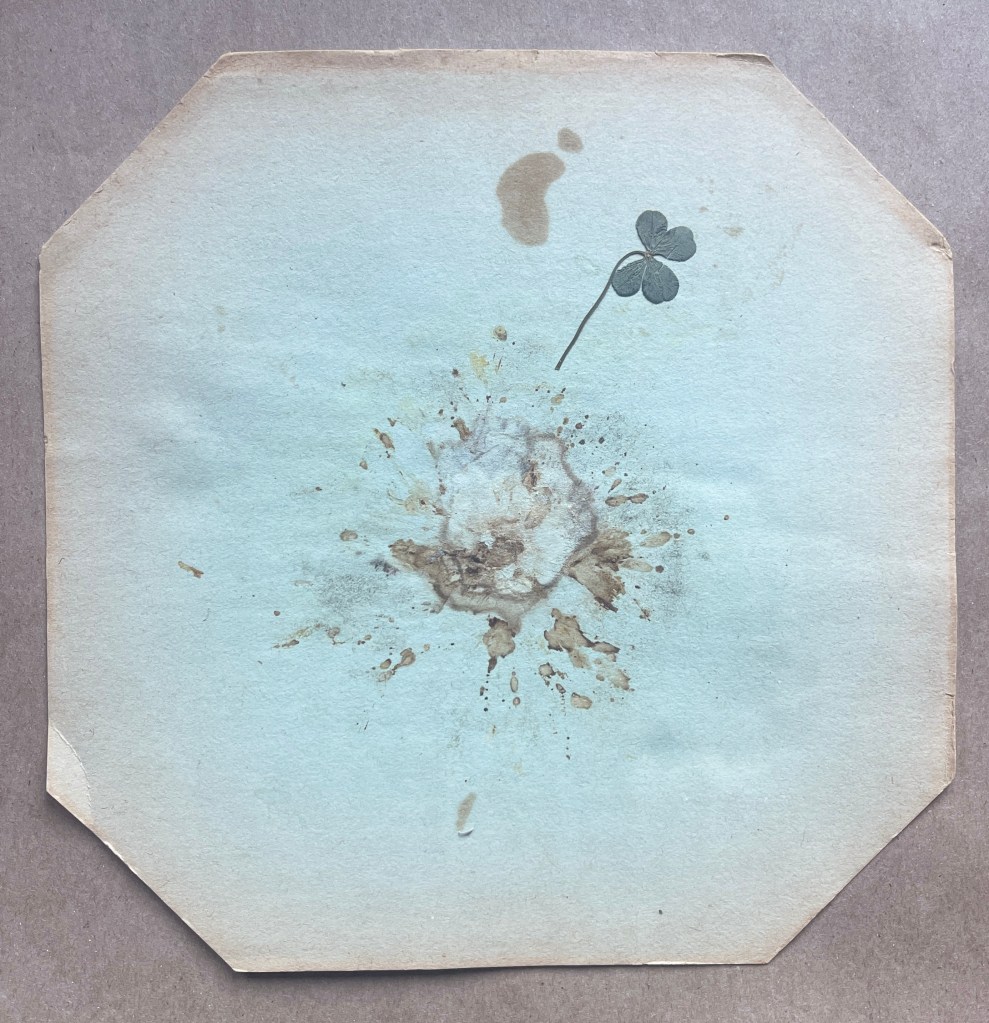
2020 Cyanotype work – looking at decay marks from a an apple…photographing onto transparency and printing.
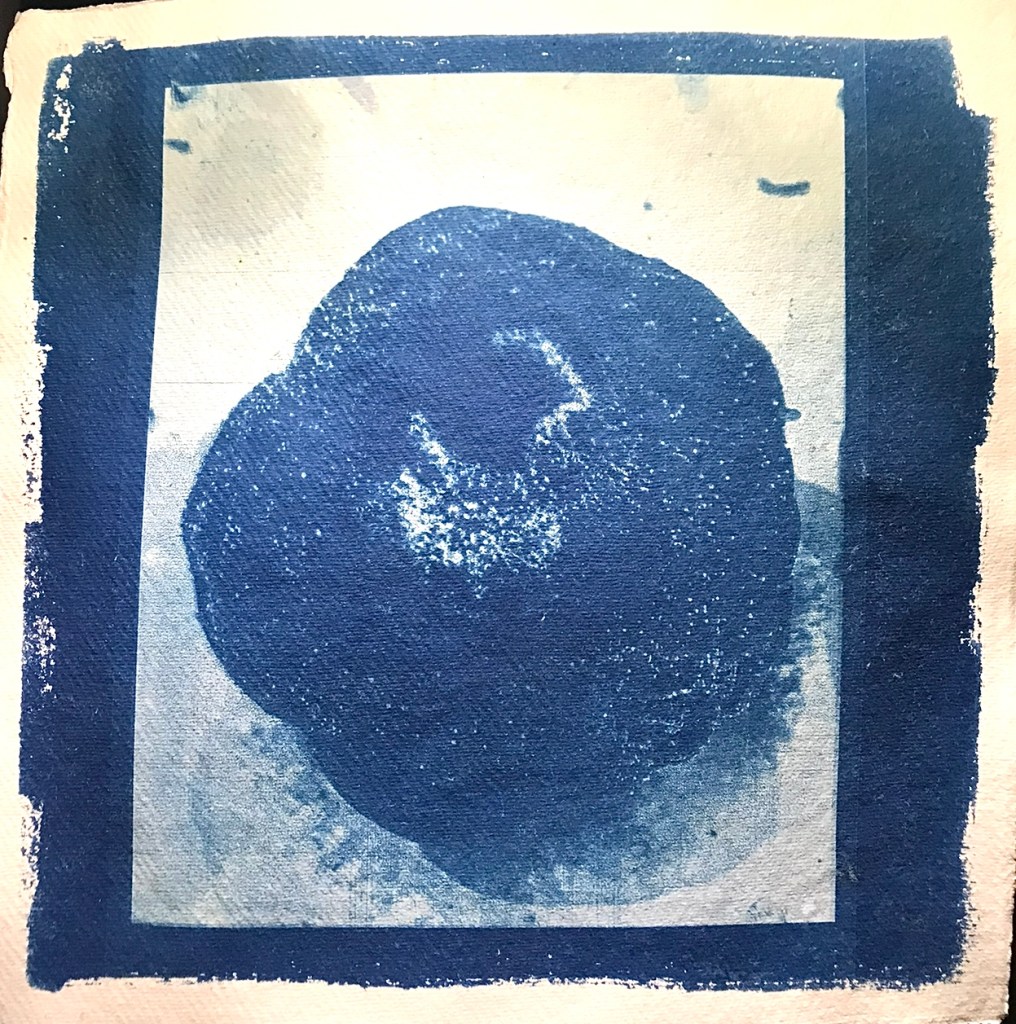
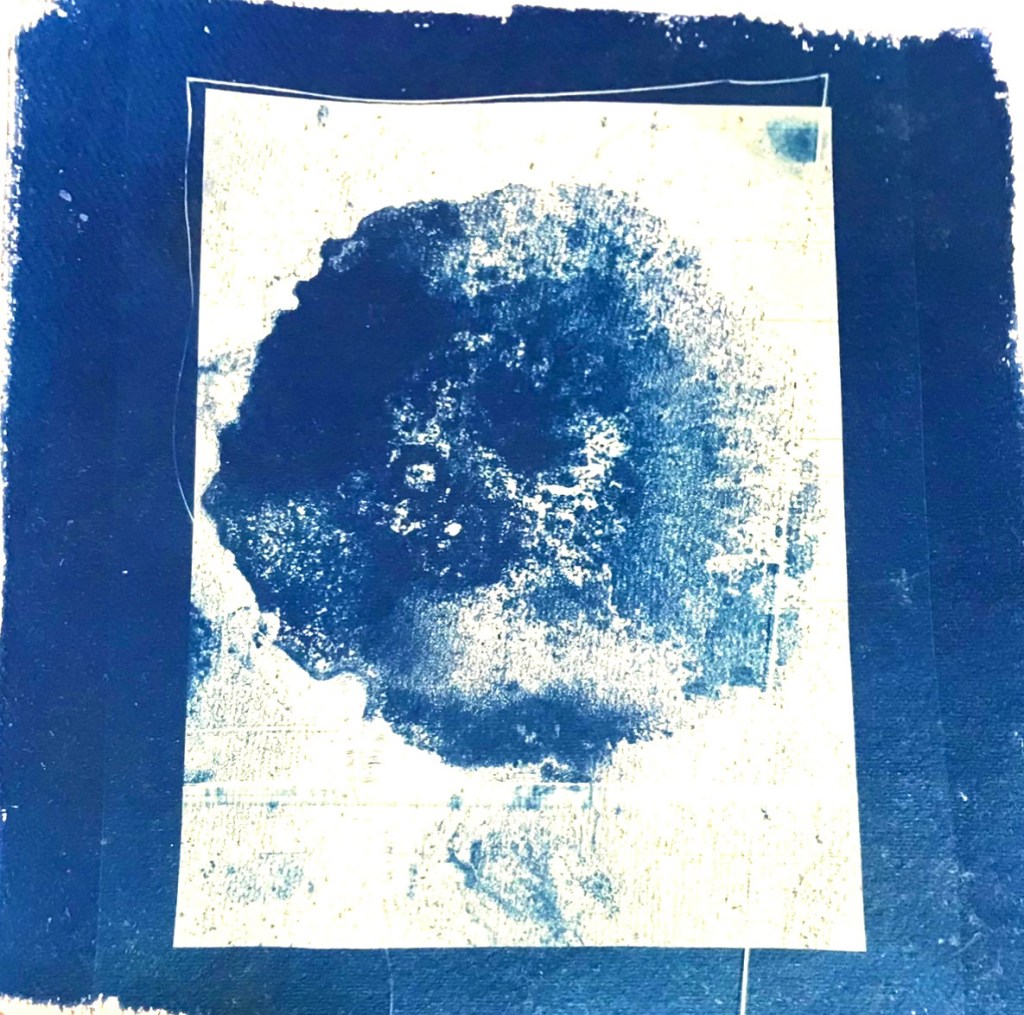
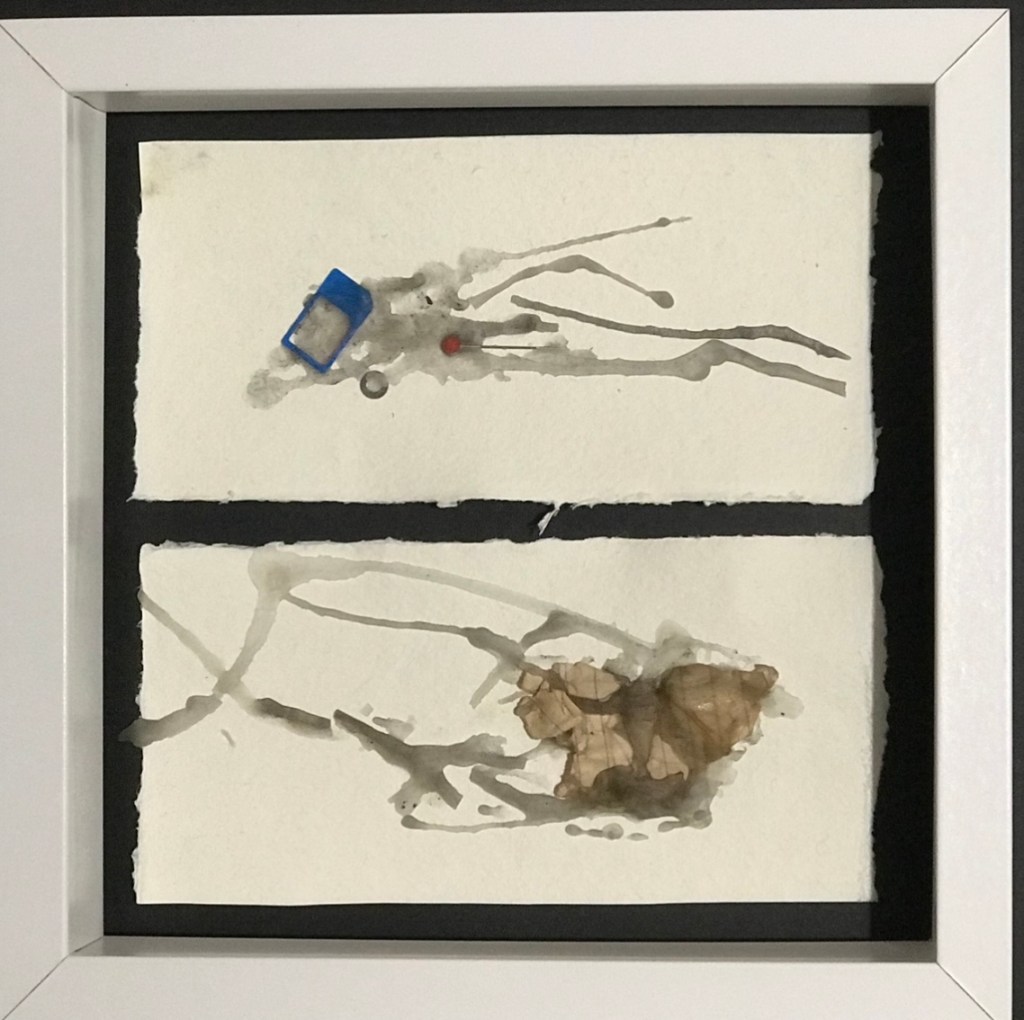
2021 – Found objects preservation in wax experiments :
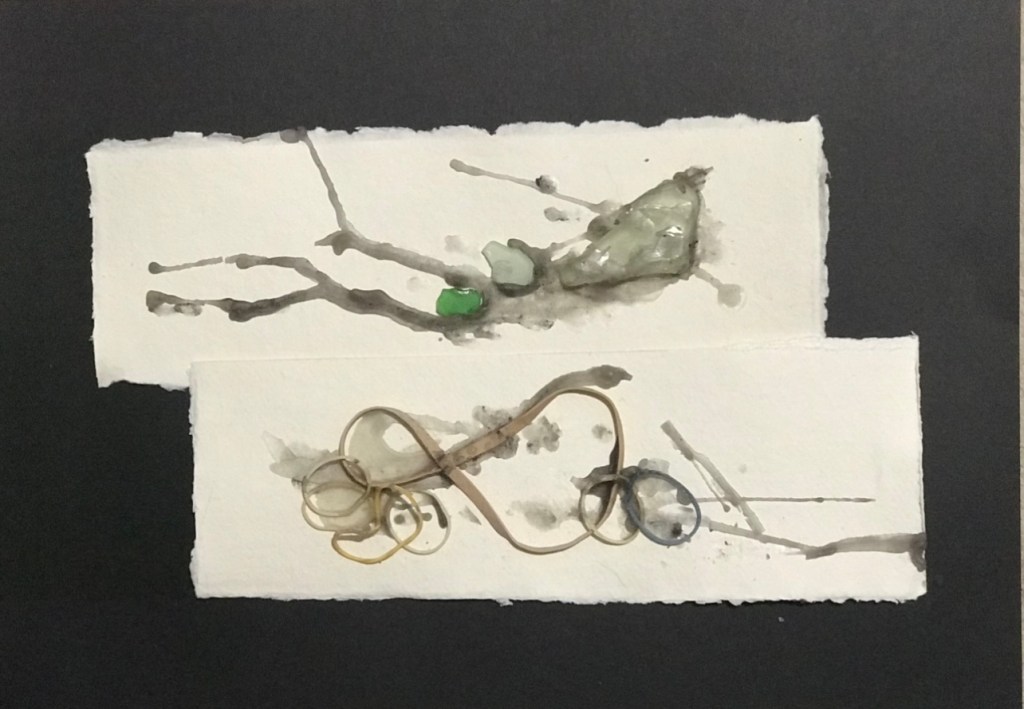
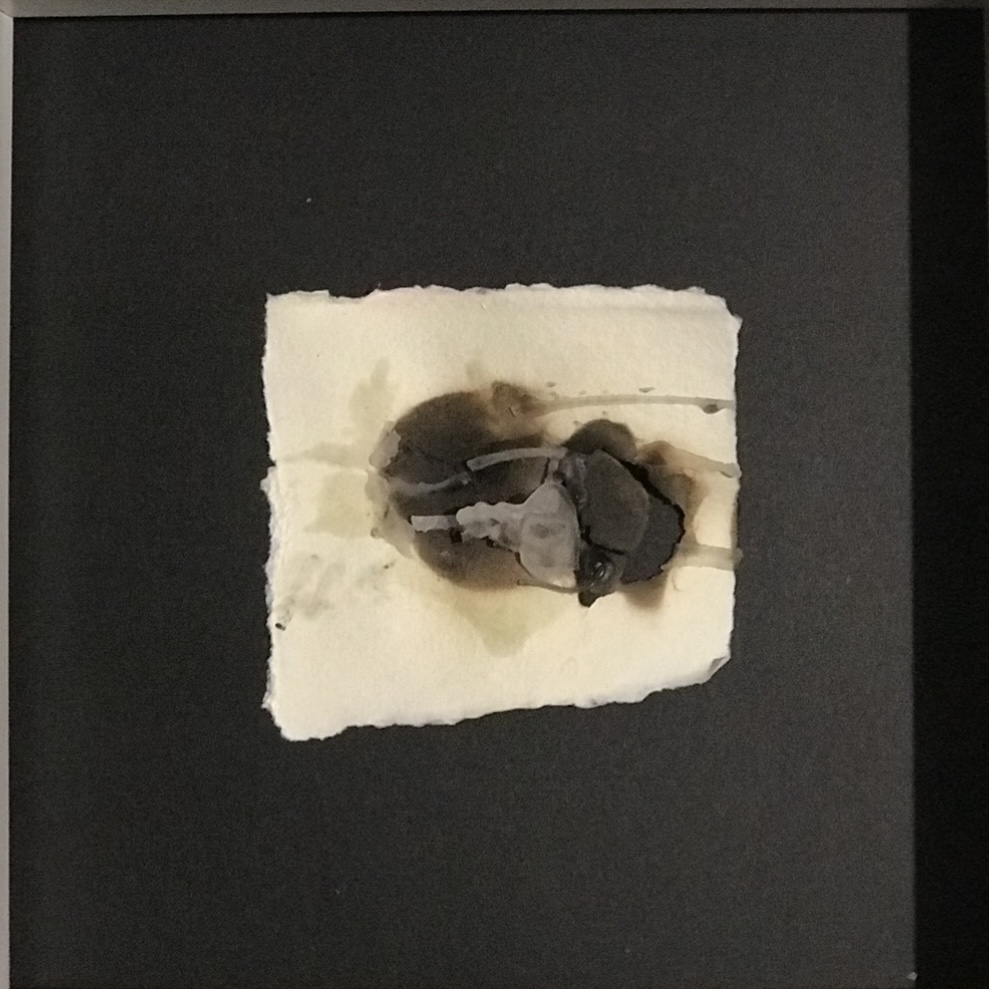
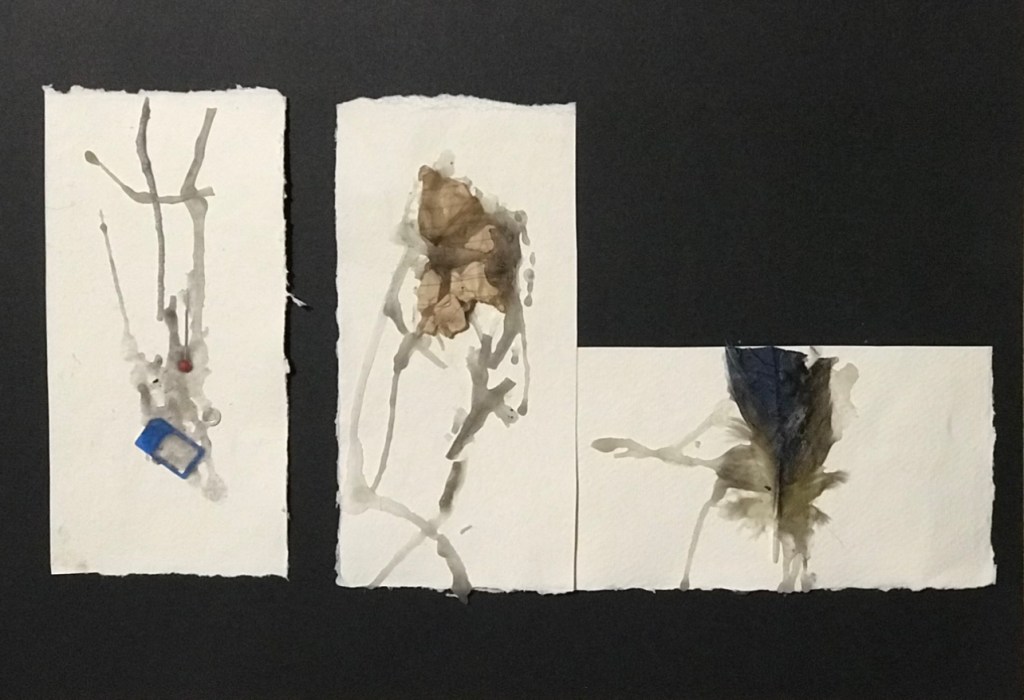
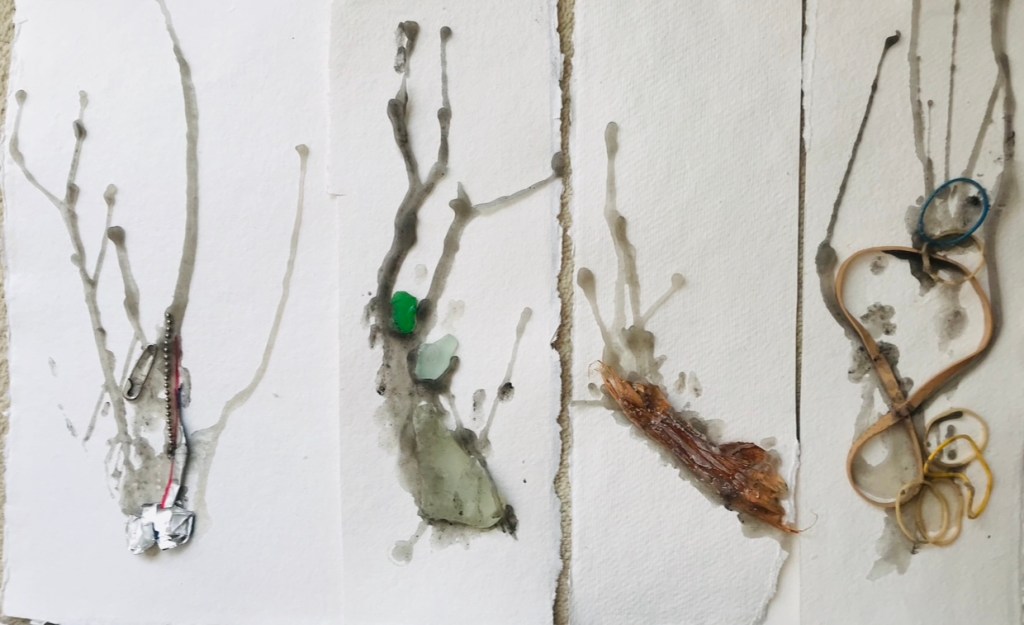
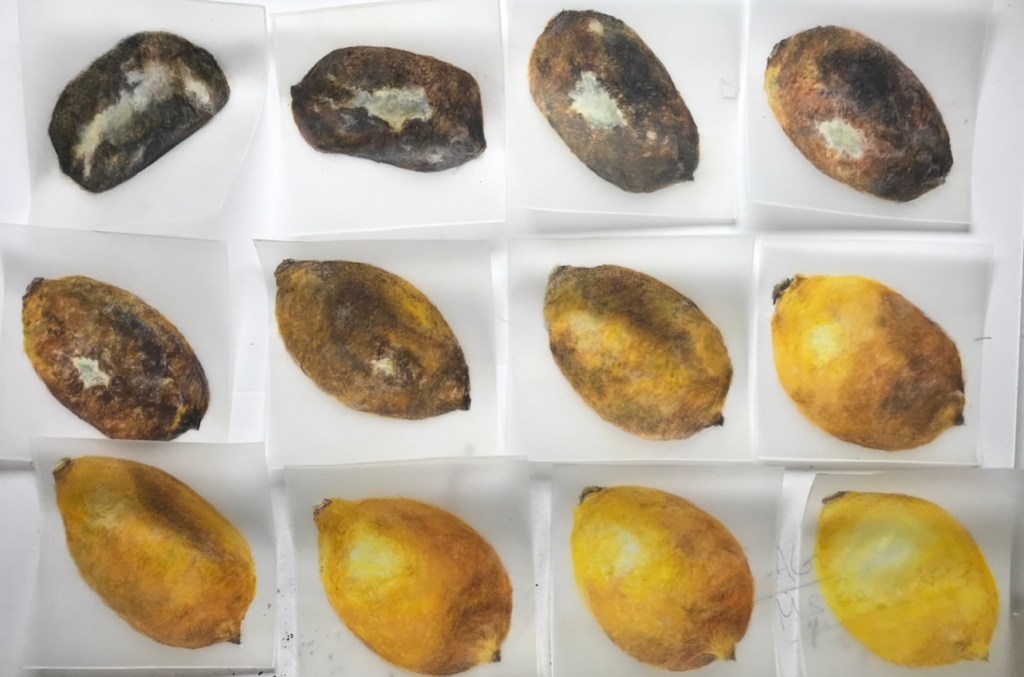
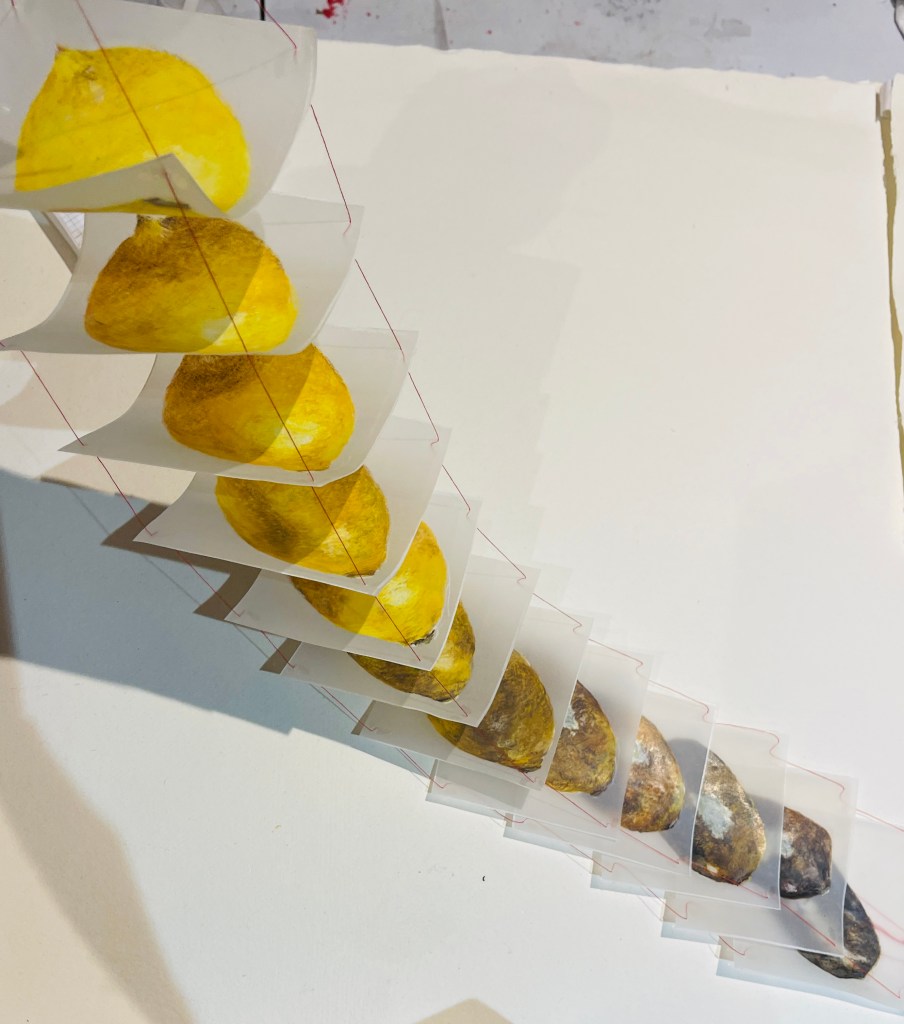
2021 – Decay process – fragility : Life cycle of a lemon – pencil on tracing paper – hung
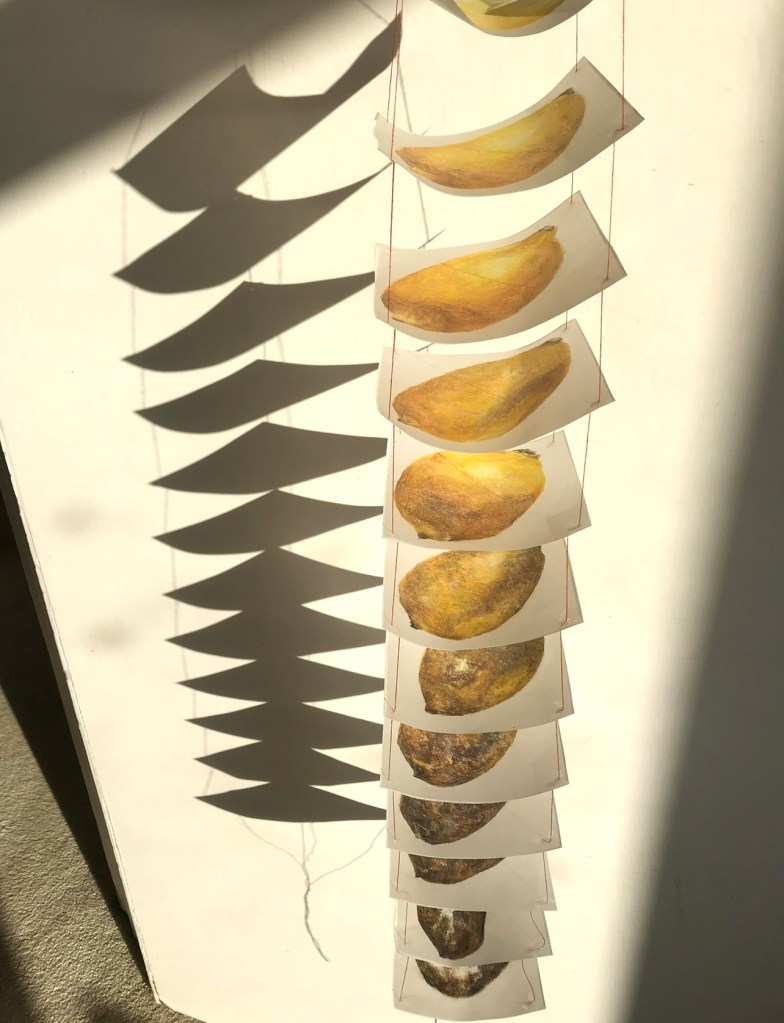
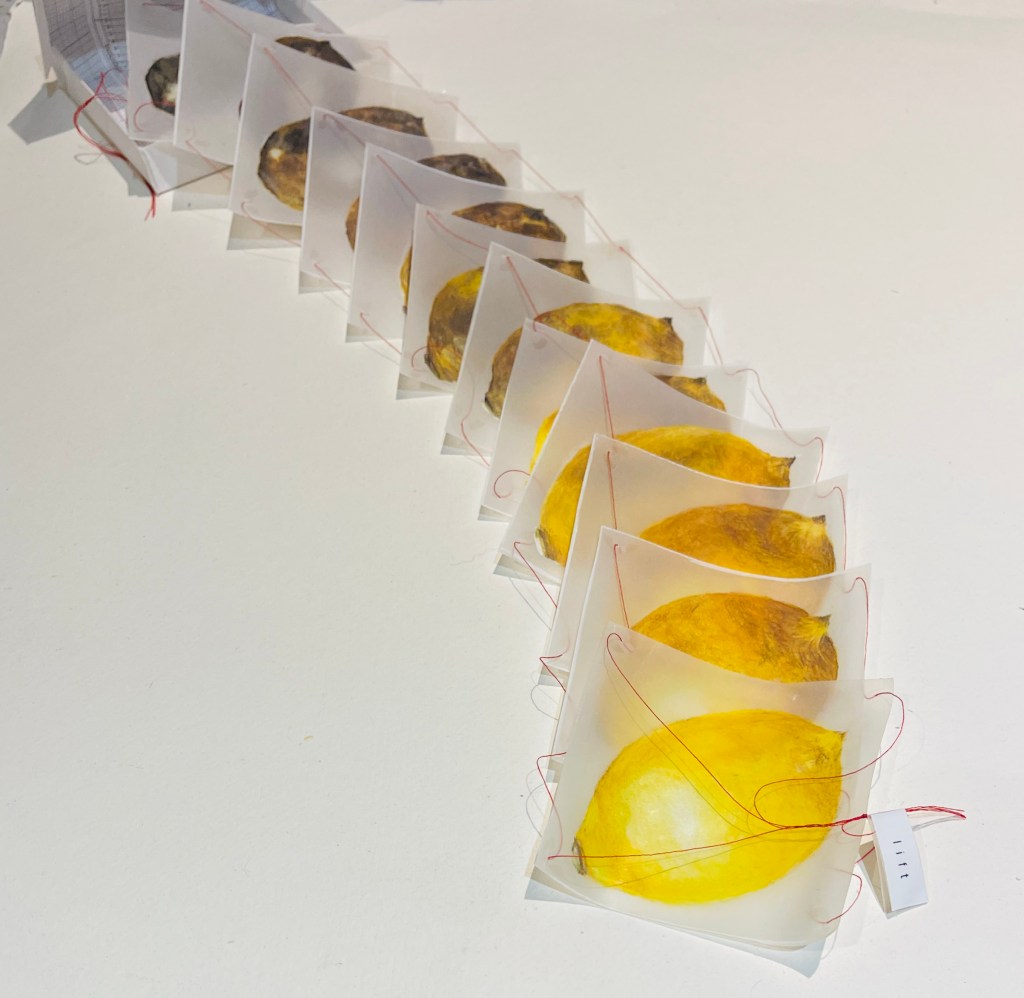
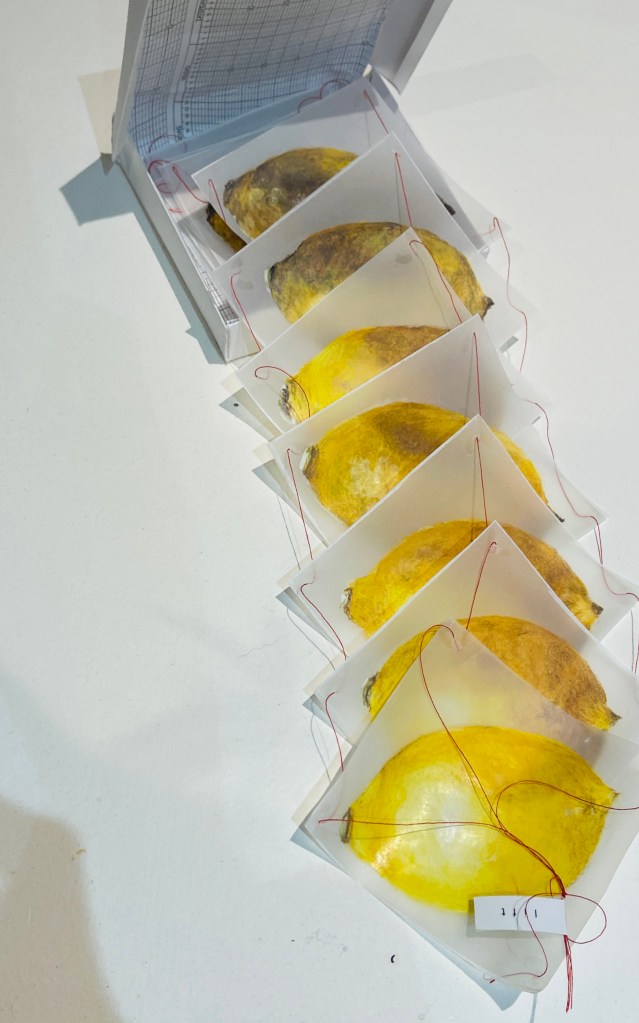
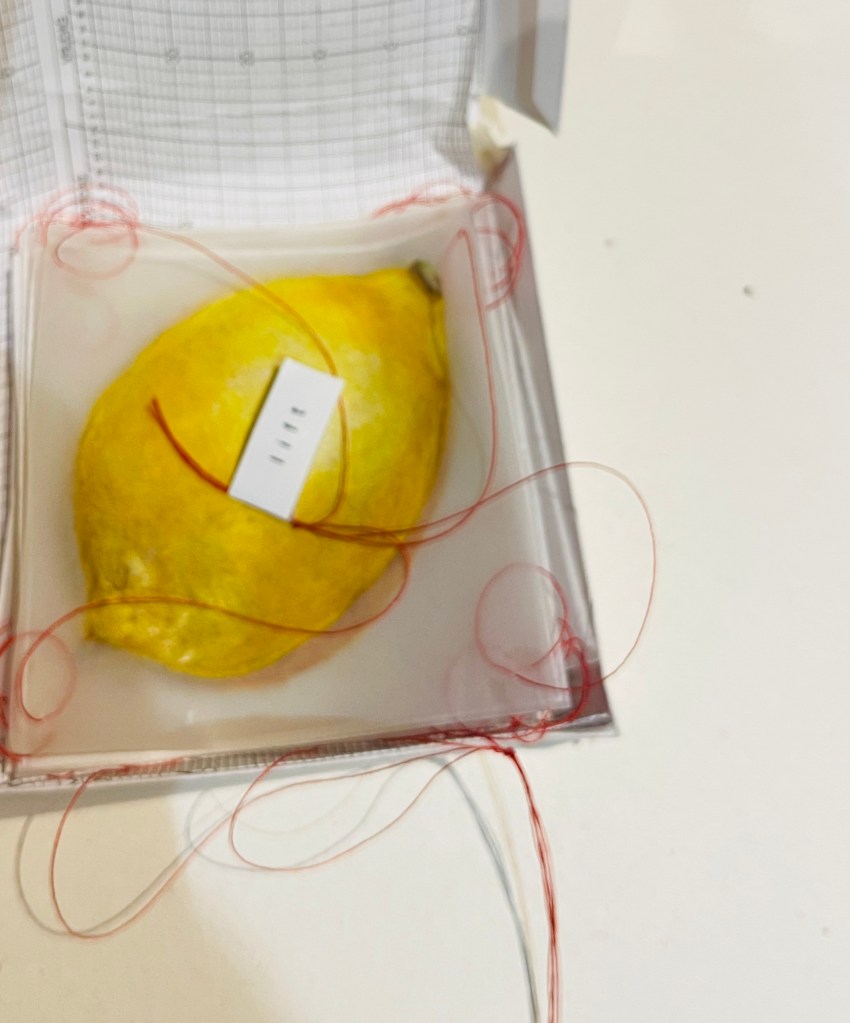
2023 – Essence of human remains : Found material and clay.
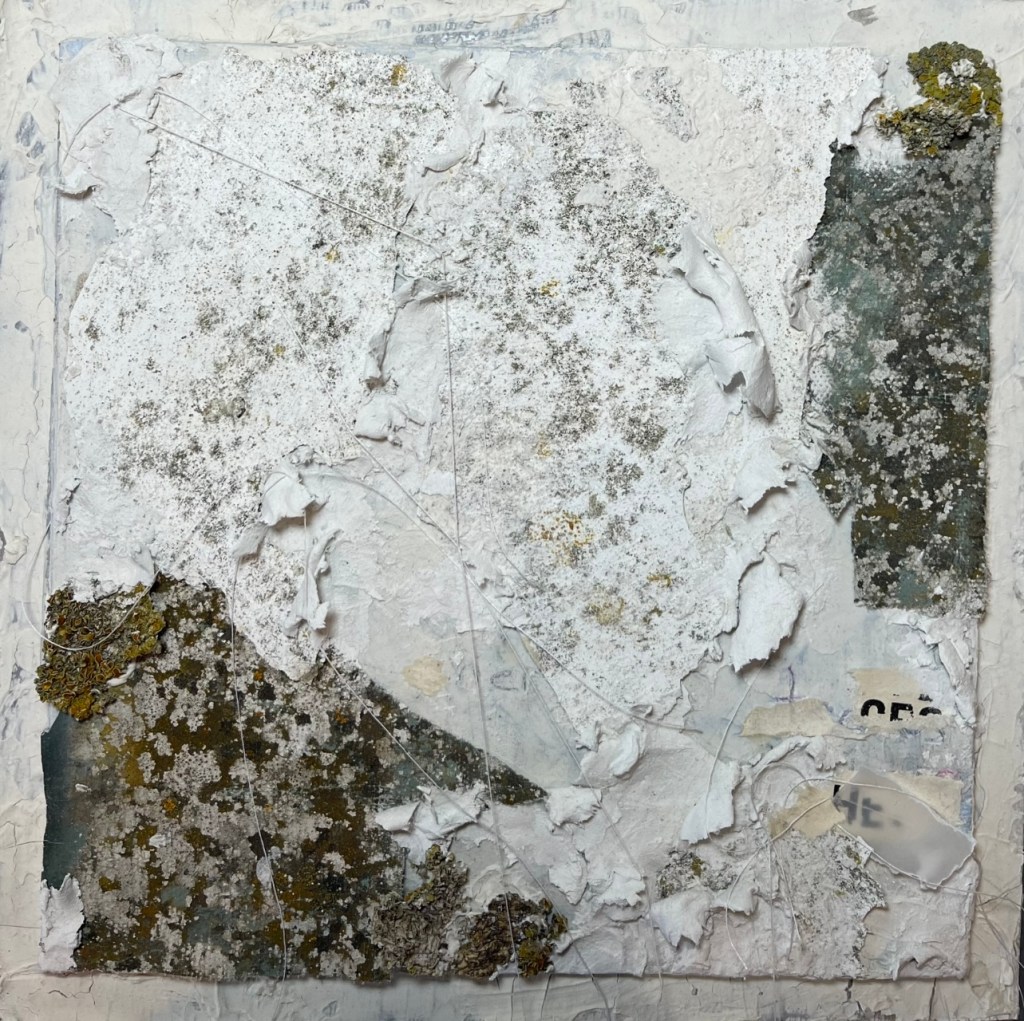
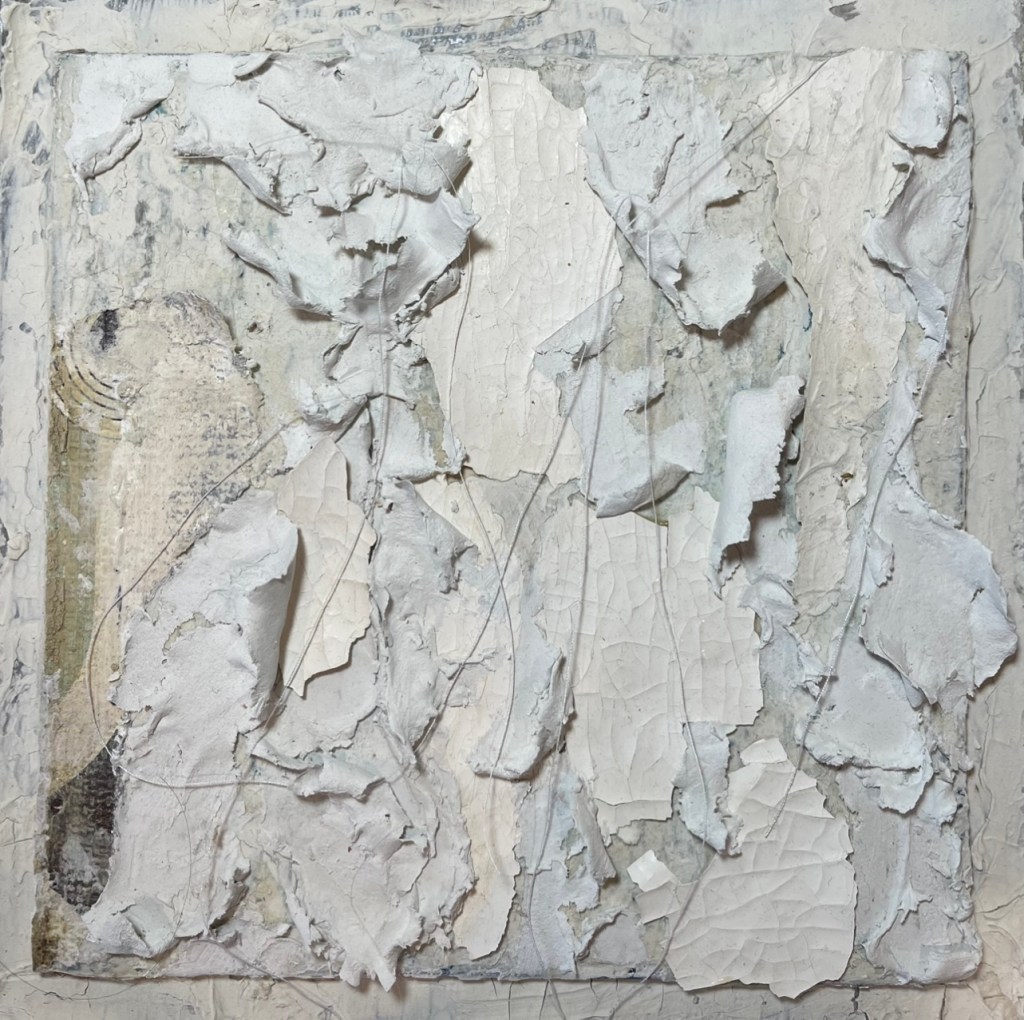
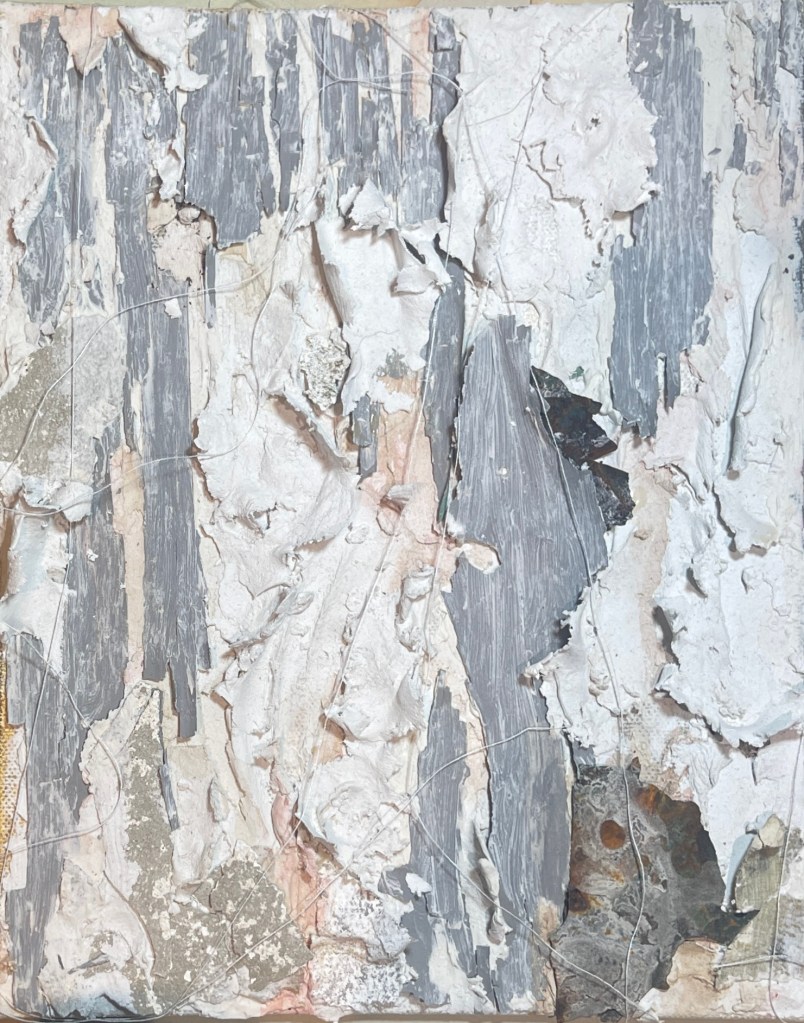
Materials – Found Objects – a consistent early passion from childhood.
- The materiality of the objects
- Their resurrection/restoration
- Their New purpose
- Their appreciation
- ‘ where matter and emotions meet ‘ Tom Mc Carthy .
- Historic and environmental attributes and story
- Human essence with in them.
- These objects/materials consist of :
- Rubbish/ detritus from old buildings, crumbling walls and paint work.
- Fluff and dust – historic rich with past presence and essence
- Prints and impressions wither from pressing, cyanotype, marks etc (mould) and impressions.
Female Mental Health –
- Shrouding it.
- Its manifestations
- Is presentations
- Its similes – ( manifestations of)
- Its disguises
- Societal pressures
- Philip Guston – honest open dialogue regarding his work and the need to revisit the old. Perhaps not being ready to accept it initially with the need to review being a key part of the creative process. To ‘work -out’ what one has produced and be newly critical and see it with fresh eyes is a process I have also found fascinating. Being able to add and erase elements of the work offering a platform from which to begin again. Ideas, theories and process reimagined and reawakened to start over. The seeds of the idea and making have had time to sit and grow within us to be greeted again , fertilised by new ideas and experiments. A self-perpetuating cycle and source of potential.
Artists whom I am continually inspired by and admire their tenacity with their process and work are:
- Cornelia Parker –
- Louise Bourgeois –
- Mary Kelly –
- Sarah Lucas
- Y Kusama
- Cy Twombly
- Eva Hesse
- Chiharu Shiota
- Anselm Keifer
- Joseph Cornell
- A Weiwei
- Maria bartusvoa
- Marina Abromovich ……
- New Artists to add to this include :
- Karla Black – Her materially abstract sculpture includes , paper plaster chalk paint and make up etc, They are fluid with the priority of the work being about the material qualities itself. Her language of communication is open and unrestricted in this way. Black often makes directly into the space, using the physicality of the space to progress and develop the work. Her sculptures are transferable and hence affected by what surrounds it, it does not stick to a ordered and strict integrity. Black is empowered by her sense of self and the physical attributes she brings to her work, her age her femaleness her height her experiences. The work seems viscerally part of her, always experimenting and changing it as the sculpture materialises.An inspiring and confident artist exposing and expressing herself at a self-immersive level.
Images : http://www.modernart.net/artists/karlablack( hashtag)s-4
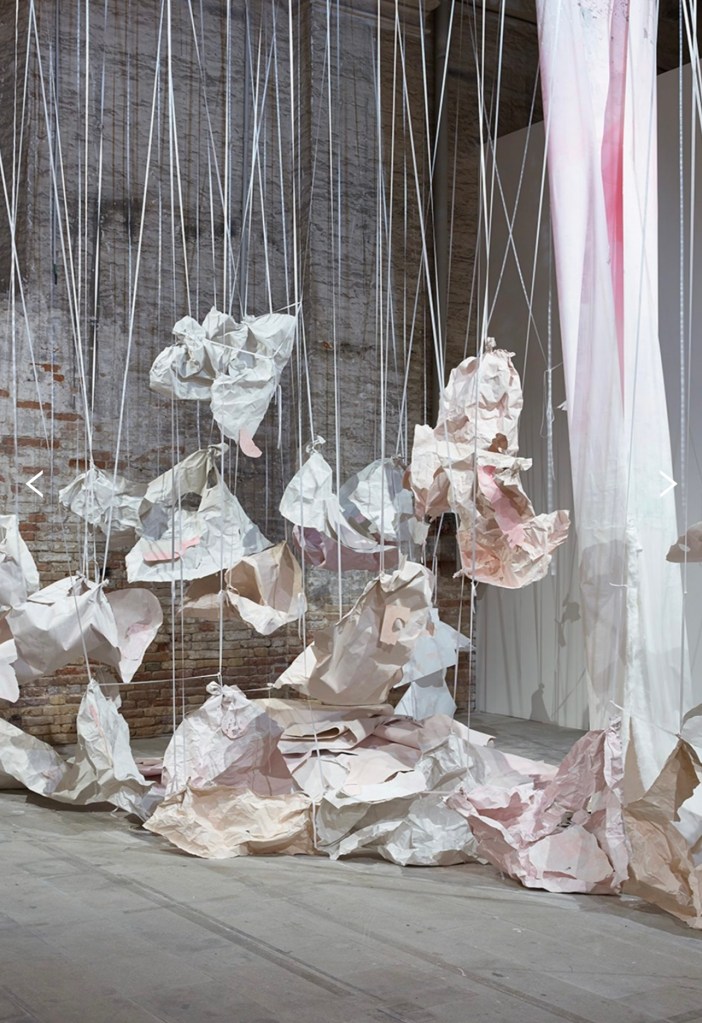
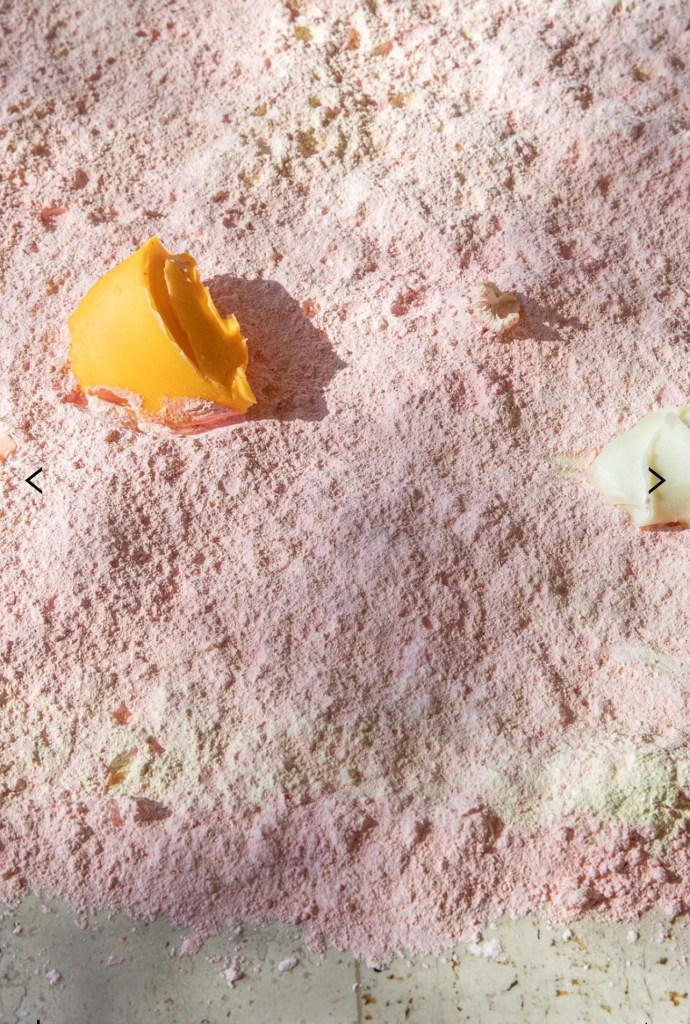
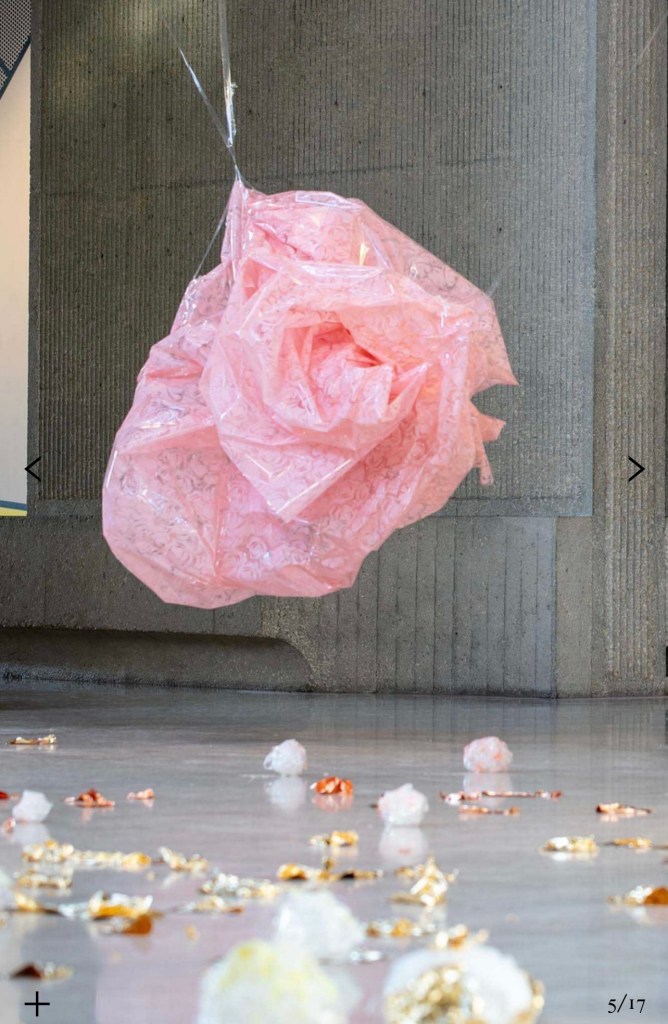
Catherine Bertola – An artist that strongly resonated with my work and concerns, Bertola also seems to share these with other artists I am also inspired by including Cornelia Parker. Bertola’s work is seems mainly material led and her pieces concerning dust an detritus was particularly poignant for me as it was very relevant to my own work on this matter; Looking at the female trope of domesticity, traces of time, historic narrative and a sense of re looking and resurrection.
‘As an artist, I make site-specific installations, drawings and films that address the invisible histories of women, whose roles and contributions to society are overlooked and undervalued. The work gives voice to untold narratives, excavating the past to confront contemporary inequalities that women continue to face.‘ ( Bertola)
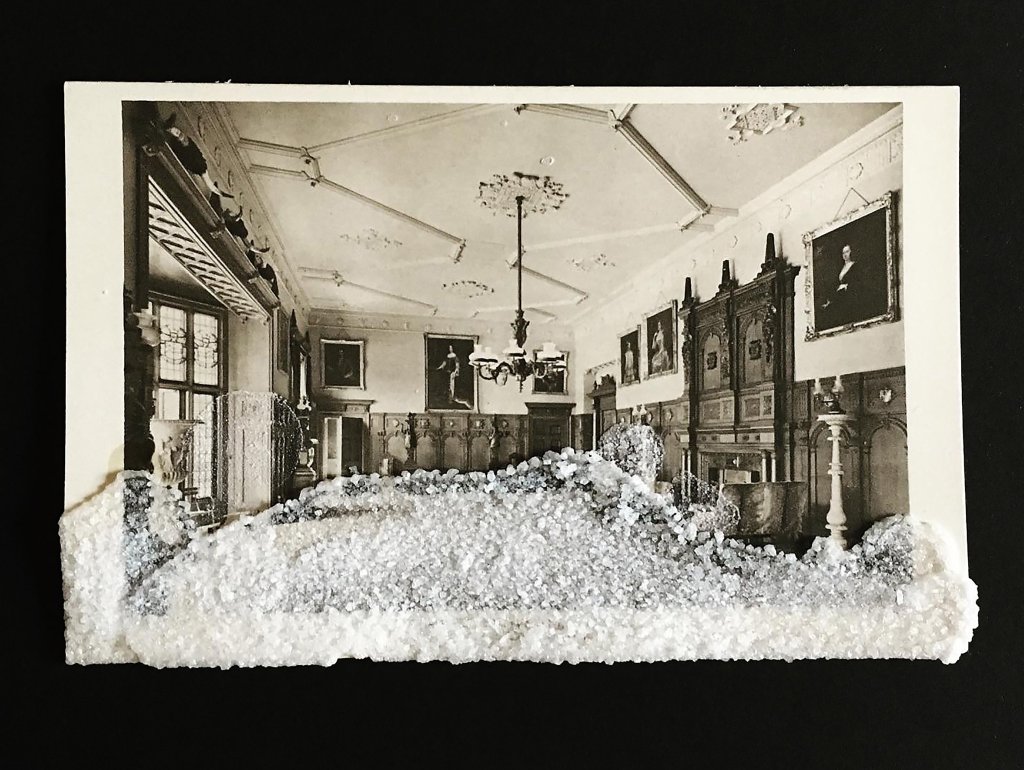
Fixed Transience (The Great Hall), 2021, found postcard, salt and nail varnish, 9x15cm
Bertola’s work, which seems to originate from a 3D sculptural concepts are material led embracing the narrative and meaning that comes from them. Her work also carries a temporal and ephemeral quality responding to history and exploring and becoming historic in its self. Her interest in materials forensic qualities, its tiny particles of matter with residual traces of the past, and the physical occupants of that place. These have been key areas of exploration for me in works regarding the female health asylum (below) as well as later works.
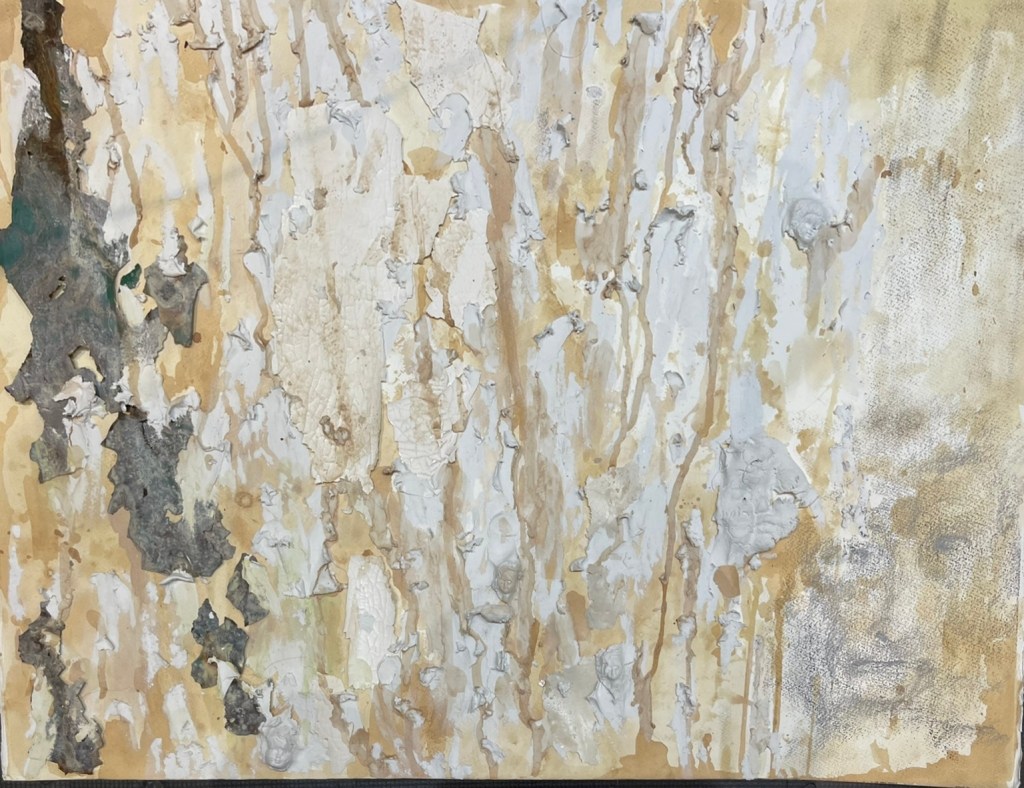
‘It’s fundamentally about value. Noticing what goes unnoticed, taking residues and materials that are usually removed and discarded, and making them take up space in a different way so they can’t be ignored. Transforming dust into an intricate wallpaper pattern immediately turns it into something that is beautiful and very visible, and connects to my interest in questioning invisible labour and the overlooked narratives of domestic spaces.‘ ( Bertola)
Bertola’s words above are an important part of my narrative and continuing journey as I look to manipulate and delve deeper into past materials, the essence of humanity they possess, what remains and how to manipulate it into future work and storytelling.
(https://www.vane.org.uk/artist-story-catherine-bertola )
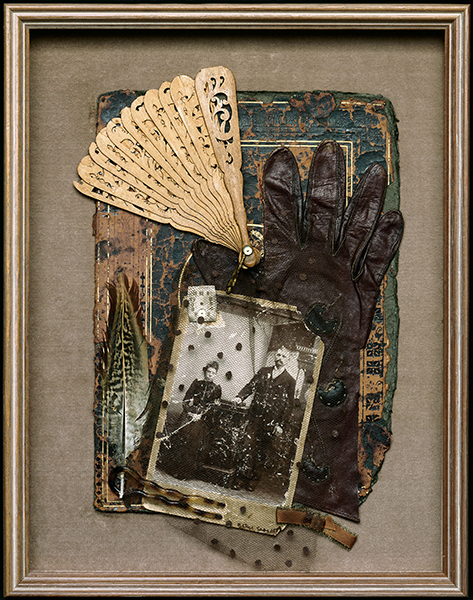
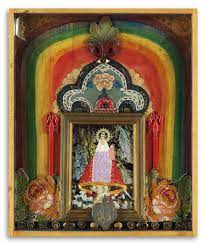
Betty Saar ( 1926 – ) - assemblage artist/ found objects regarding/concerning her mixed cultural ancestry and identity. A key concern was reclaiming the black female body. Later looking at stereotyped African American figures ( Aunt Jemima. Black Sambo etc) Once again using her assemblages to create powerful political statements of protest. Saar considers herself a feminist but avoids referring to it directly into her art works. She prefers to emphasise the notion of culturism and spirituality that are ever present in her work.
I related to Saar ‘coming together and unity’ in the work - she rejects in particular the white feminine aesthetic determined by white feminists however seems to emit a need harmony, togetherness and equality in her works.
The found pieces in Saars intricate works resonate with years of collecting and building a history out of the discarded or rejected. Beautifully curated and executed the images are a museum of intrigue and storytelling. Inspired by Joseph Cornell I too have sought to collect and work with collage and assemblages to re-tell, articulate and explore complex narratives. Saar’s work is compelling and engaging with a magical quality of composition and enclosure.
Research ( Open link to further artist research regarding themes and concerns moving forward …)
Exercise 1.2″ Conversations:
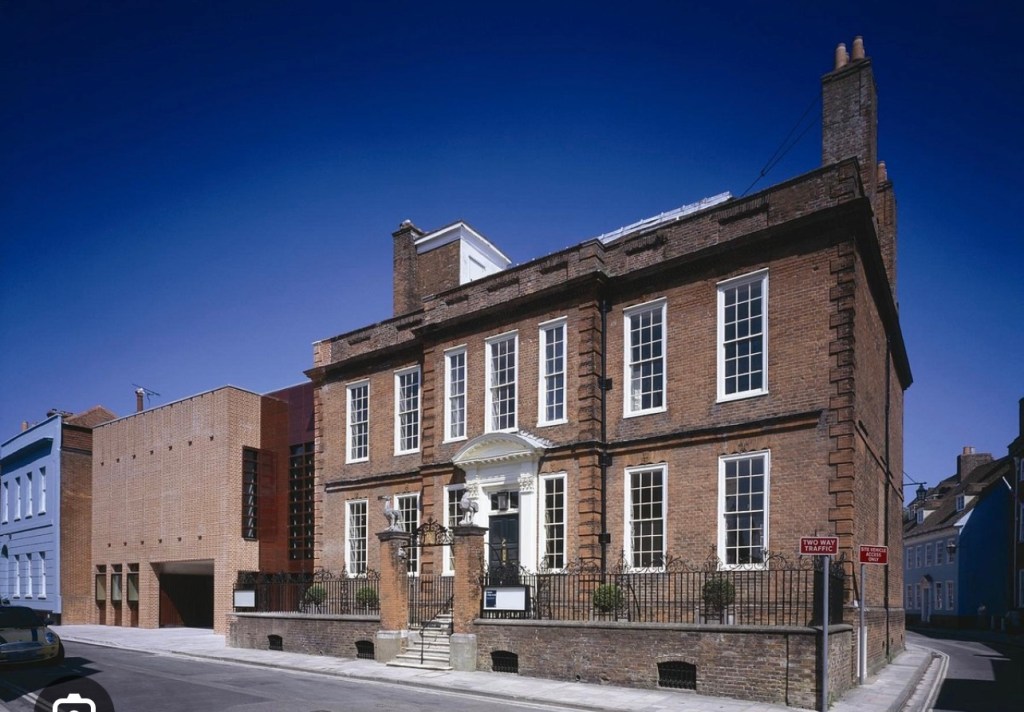
Inspired voice – Mental Health – I am currently training as a Partner in Art for the Pallant Gallery Community Programme – Chichester, West Sussex.
Partners in Art is an opportunity to be matched with a member of our Community Programme, who shares a similar interest and creative passion. The focus is on art, not people’s disability or support needs, and for those involved it can be an important life-changing opportunity. Started in 2002, Partners in Art has supported over 300 people to explore their art interest. For many this has led to feeling more confident, less isolated and provided the opportunity to develop an established creative practice.
Each partnership is different and unique to the people in it, with Partners in Art meeting at the Gallery as well as out and about. Partners can choose to meet regularly, often weekly or fortnightly, or as and when suits them. Partnerships can last for as long as the partners like, with the majority staying together for three to four years.
I fully believe that this is a mutually beneficial experience and mentoring programme, discussing and exploring art with another human who may have had very different experience in life than I . Hence contextually and narratively the art will be seen with a different eyes that I will be privileged to explore with my art partner.
Well Being – I follow and practice some of the mindful techniques of Deepak Chopra. Looking at; abundance, manifesting and positive mental attitudes with an appreciation for the small connections and links in our universe.Being accountable and responsible for our well being and societies. His melodic and still voice is the ideal platform to drift off into a neutral state to allow creative inspiration to flow, unencumbered by outside noise.
‘Intention being a force of nature and what creates reality and the fulfilment of our dreams – it has infinite possibilities for organisation and empowerment’ ( Chopra)
He encourages taking inspiration from others around us and be open to positive creative influence, looking at what one wants to attract into ones life. Soaking up the beauty of nature and the energy of life. His words have encouraged me to see the wider more spiritual side of life and look deeper into the minuscule, the hidden the forgotten, the discarded the detritus of our consumerist society. To slow down and really notice things. His influence is through out my artistic practice.
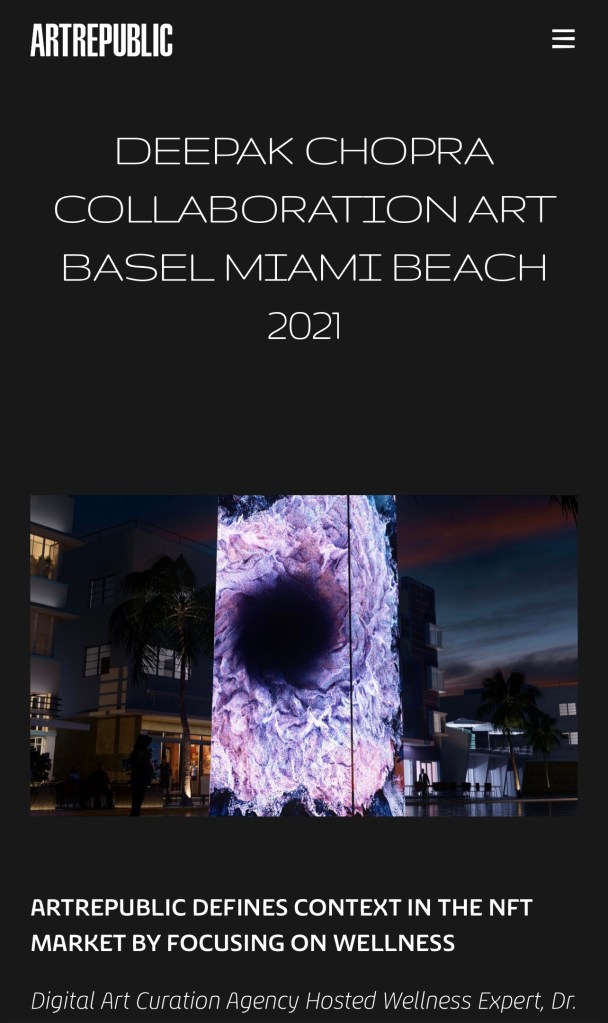
‘Wellness advocate, Dr. Chopra, used the occasion to drop his first NFT on The Monolith, a structural collaboration by ArtRepublic and SuperRare showcasing nearly 40 digital artworks publicly. Co curated by Santiago, the featured digital pieces were chosen for their ability to harness the power of light to symbolize a revolution of optimism, hope and productivity. ‘
Naturalists, Environmentalists.
Dr Brian Cox. Science – looking at the bigger picture , but also the minuscule of the universe. Time, time travel, black holes the fragility of our planet, its incomprehensible existence and being. His pod-cast ” the ‘ Infinite Monkey Cage’ explores a range of these mind bending topics. They have offered me a new range of enquiry and narrative in regards to my art. Time being a key aspect of this including looking at waste and detritus and its place in the universe. His words make the bg topics seem small in relation to our small blue planet and its lfe cycle and our current Anthropocence.
Donna Harraway – Staying wth the Trouble.
Recommend by Dr Michelle Whiting this complex book concerning the end of the individual and the cohesive global need for working together to sustain and mend the planet. (Including all animals ) Finding ways to become a cohesive positive influence on the word. Her ideas were pertinent in regards to my projects on ‘Femaleness’ – a coming together rather than a segregation of male/ female/ gender diversities etc ( LGBTQ +i ) More belonging and partnership rather than divisions, racism, misogyny, homophobia etc .
Authors ” Mad Women’s Ball”, by Victoria Mas. ( translated from French)
A poignant book regarding the incarceration of women in the 18th centuary in the famous la Salpetriere in France. Their resons for entering the asylum at th emery of the patriarchy, including husbands and other male family members. The female was weak and voiceless and hence manipulated, dismissed and undervalued. The shocking implications and experiences were a valuable source of narrative for my work regarding early female rights and early feminism and the extreme battle for female equality.
Research Point :
Mental Health Practitioners and Art /artists
Local artists and medical researchers join forces to create an enlightening exhibit as part of the Keck School of Medicine of USC’s HEAL Program.
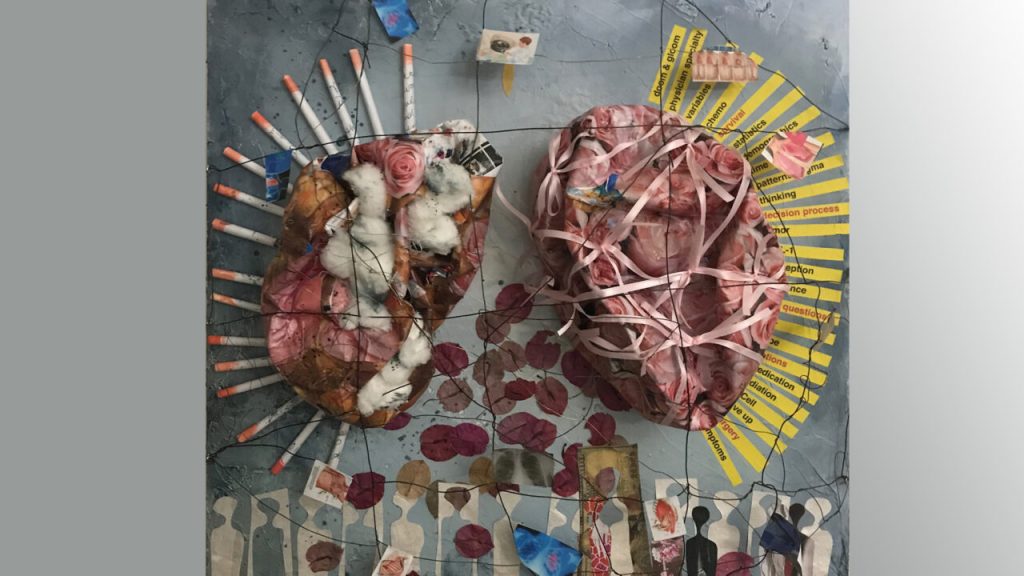
I felt this work was a step away from more usual art and mental health collaborations and was worth some investigation. The bio-medical research scientists at the Keck School of Medicine Humanities, Ethics/Economics, Arts and the Law (HEAL) Program were put into contact to artists who might be able to give a visual narrative to their areas of exploration. The ‘Artist and Researcher’ making it more visible and accessible for the lay-person to grasp exciting advances in medicine and treatments. They are hoping to create a positive messages concerning health conditions, beginning conversations with less stigma and stress in a doctor / patient scenario.
“Our students, faculty, and staff learn about the patient’s experience of illness through engagement with their artwork.”
This open platform of visual discussion, bringing health conditions to the artistic forefront allaying fear, encouraging a new narrative and conversation for both researcher and artist and patient seems a symbiotic mutually beneficial relationship.
Topsy Turvey – An interactive digital exhibition that spotlights the strain from OVID-19 on the health care system and people who work with-in them. It invited artists and health care leaders to create works that would shine a light on what it was llike to work and live through the pandemic. A random image generator makes combinations of drawings and text inspired by these experiences.
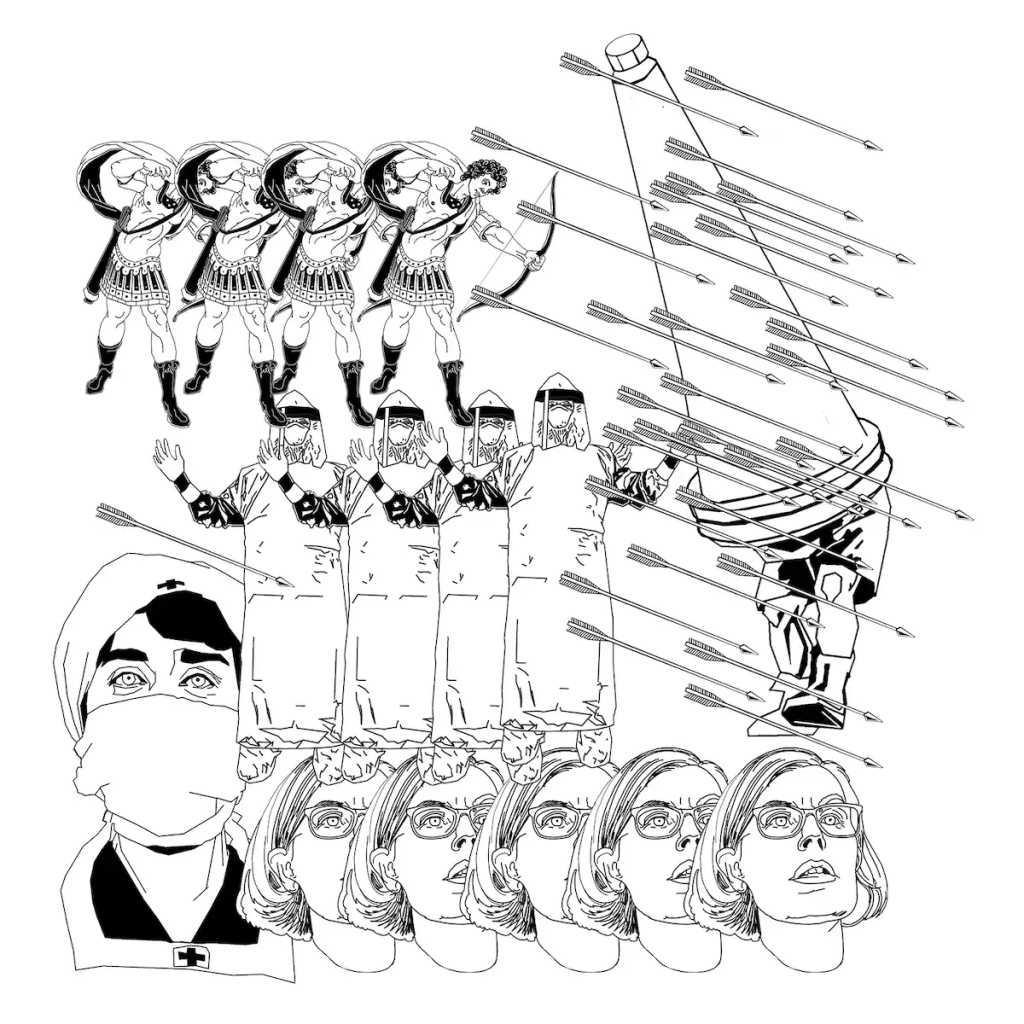
Topsy Turvey example above.
This interactive tool / on line exhibition offers an intimate and inclusive space for individuals to try and make sense of their experiences, emotions and personal journey. The produced images can be saved or deleted
‘Arts-based approaches enable people to connect, express themselves and share knowledge about important health and social issues. Some experiences, such as physical or emotional pain, can be hard to put into words, and the arts offer alternative ways to explore and convey them.’
 The Sharpe Gallery