Melissa Sharpe
September 2024
An exploration of Contemporary Material Practice through a Female Lens: How does material practice lend itself specifically to the concerns and narratives of female practitioners?
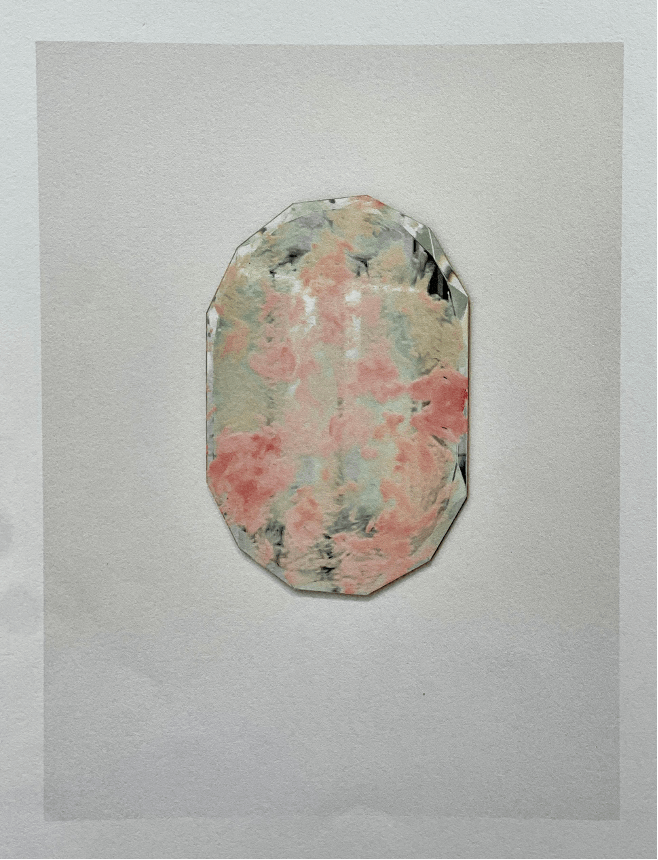
Fig 1. Karla Black. Looking Glass Number 14, 2019
Contents:
Introduction: Page 3.
An exploration of Contemporary Material Practice through a Female Lens: How does material practice lend itself specifically to the concerns and narratives of female practitioners?
Chapter 1: Page 4. Introduction. Definition of the ‘Female’ and ‘Material Practice’
Page 4. Karen Barad
Page 5. Donna Haraway and Judith Butler
Page 6. Elizabeth Grosz
Chapter 2: Page 6. Theorists. Engaging debates and conversations.
Karan Barad, Donna Haraway, Judith Butler and Elizabeth Grosz.
Chapter 3: Page 10. Exploration of the Female Artists in Relation to Theories and Practice.
Page 10. Doris Salcedo
Page 17. Louise Bourgeois
Page 25. Karla Black
Chapter 4: Page 33. Evaluation – Selected Evaluations
Chapter 5: Page 34. Conclusion
Bibliography: Page 36.
Illustrations: Page 37.
INTRODUCTION.
Chapter 1
The aim of this essay is to explore the practice employed by female artists negotiating the material qualities of the everyday object in relation to notions of the female. Considering the conversations and discussions relating to the material narrative through a female lens.
The context and definition of ‘the female’ broadly depends on perspective and context. For the purpose of this essay, it refers to the characteristics, experiences and identities associated with being female or woman-aligned within the framework of gender as laid out below;
‘Being female encompasses a combination of biological, legal, and social factors. While traditionally defined by biological attributes, contemporary understandings also heavily emphasize gender identity and the social roles associated with being female. This multifaceted approach acknowledges the complexity and diversity of female identities and experiences.’ ( World Heath Organisation/ United Nations)
The material practice employed by the artists will refer to the everyday object or ready-made objects incorporated into the artworks with particular attention focussed on the material qualities chosen, its appropriation, conceptualisation, consideration and transformation and how it relates to notions of ‘the female’’ in a everyday sphere as an individual, mother, home-maker, provider, worker, carer, etc.
The material practice It is clearly defined by Petra Lange – Berndt, Chair of Modern and Contemporary Art at Hamburg University and co – author of the book “Materiality Documents of Contemporary Art’.
“Material practice in contemporary art is a mode of artistic production that prioritizes the physical properties and inherent qualities of the materials used, exploring their potential to generate meaning through their manipulation and arrangement.” (Lange-Berndt, P. (Ed.). 2015. Materiality. Whitechapel Gallery. MIT Press, p. 12).
I will seek to examine the essential and more unusual material qualities present in visual artworks by three principal women artists whose works implore and encourage the viewer to engage deeply with the artwork looking beyond surface level appearance, to seek deeper understanding of how the artwork might connect to broader themes, context and personal experience and process.
Artists
My chosen artists include, Louise Bourgeois, Doris Salcedo and Karla Black as they share a practice and a passion for profound engagement with materials, using them to explore visceral themes of trauma, gender, identity, memory, social justice and violence. They demonstrate the close relationships between material, form and meaning turning them into powerful vehicles of narrative. Furthermore, I will enquire into how these artists illuminate their concerns and narrative through their material practice and how it might underpin, support and engage with my own material practice.
The methodology chosen for this exploration will include a mix of theory and theorist discussion and discourse on nuanced and complicit relationships with materials. Plus their aesthetic and symbolic content, transformative thinking, historical narratives and their engendering qualities.
The selected theorists who will provide the foundational insights into aesthetic narratives in this discussion include Karen Barad, Donna Haraway, Elizabeth Grosz, and Judith Butler. Selected key aspects of their theories are pertinent to this essay.
Theorists and Theories in brief;
1.Karen Barad
Karen Barad’s agential realism theory is concerned with the material-discursive nature of reality, suggesting that matter and meaning are deeply intertwined and that the material world plays a dynamic role in the constitution of reality.
‘ Matter is agentive’ it takes an active role and causes and produces an effect.’ ( Barad,( Barad – Meeting the Universe Halfway: Quantum Physics and the Entanglement of Matter and Meaning. Duke University Press, 2007)
2. Donna Haraway
Similarly, Donna Haraway considers non- human entities can be active participants in the creation of meaning, crucial for material practice. As knowledge is contextual, materials should be seen as active participants that contribute to the artworks meaning. ( Barad – Meeting the Universe Halfway: Quantum Physics and the Entanglement of Matter and Meaning. Duke University Press, 2007)
Her theory underscores the need to explore relationships and networks to materials and the personal relationships and significance they have to the artists and their experiences..
“The partners are engaging in a collaborative entanglement, a co-constitution, that makes possible the emergence of something new. Materialities come into being, in part, through the art practice itself.” (Haraway, D.J. (2016). “Staying with the Trouble’ )
3. Judith Butler
Judith Butler’s concerns with artistic material practice rotate around the notion of gender and its fluid attributes ascribing to the notion that gender is constructed through societal behaviours and traditional norms. . (Butler, Judith. Gender Trouble: Feminism and the Subversion of Identity. Routledge, 1990. (p. 123) Butlers theories underscore the performative aspect of materials and their relation to identity. Questioning objects and substances that interact and shape our understanding of the body and gender that society has sought to categorise. Artists can use non-traditional materials to challenge and expand the boundaries of what is considered to be the norm.
Gender is an act which has been rehearsed, much as a script survives the particular actors who make use of it, but which requires individual actors in order to be actualized and reproduced as reality once again.”(Judith Butler, Gender Trouble: Feminism and the Subversion of Identity)
4. Elizabeth Grosz
Elizabeth Grosz postulates links closely with feminist theories and concepts of artistic materiality. She too advocates the notion of material being a host for forces and intensities that interconnect the organic and non-organic, the living and non-living. Advocating that art is a means and a way to explore the potential of matter, its voice its history. She rejects the notions of culturally fixed identities and is influenced by the Deleuzian thought of continuous change and fluidity. (Deleuze, G. (1994). Difference and repetition (P. Patton, Trans.). Columbia University Press. )
“Sensations are not the private, personal and passive materials of the subject, but the energetics of an object-subject interaction.”(Elizabeth Grosz, Chaos, Territory, Art: Deleuze and the Framing of the Earth)
Chapter 2.
Theorists – engaging debates and conversations.
This chapter will begin to investigate further the essays and reviews of Petra Lange-Berndt, ( Lange-Berndt, Petra, editor. Materiality. Whitechapel Gallery and The MIT Press, 2015 P12) and consider theories of Elizabeth Grosz, Judith Butler, Karan Barad and Donna Haraway in relation to the interconnectedness, historic references and material practice of my chosen artist artists; Doris Salcedo, , Karla Black, Catherine Bertola and Louise Bourgeois who are synonymous with practicing and engendering with the narrative of materials. What are the conversations the artists seeking within this medium and how has it begun to inform practice, enquiry and connectedness?
Physicist and philosopher Karan Barad stated that, ‘to engage with materials also means to formulate a critique of logocentrism and the predominance of written language as a tool to generate and communicate meaning I would therefore like to propose a methodology of material complicity.’ (Barad 2007 “Meeting the Universe Halfway: Quantum Physics and the Entanglement of Matter and Meaning.)
Barad suggests that interacting with materials can challenge the traditional dominance of written language as the primary means of generating and communicating meaning. Barad’s approach urges us to see the importance of recognising the agency of materials and the dynamic interactions between matter, medium, materiality and the sensations and deeper layered meaning and concerns they can represent.
American Philosopher and scholar Donna Haraway’s perspective on materiality goes a step further and takes a deeper look at our inert matter concerning the interconnections and mutual influence between humans and non-human entities.”(Haraway. Staying with the Trouble: Making Kin in the Chthulucene 2016, Ch. 2) Being involved and practicing with the material means recognising the active role of non-human elements in shaping experiences and meanings. She goes onto suggest that materials contain their own expressions, sensations and agency.
‘the smile of the oil, the gesture of fired clay, the trust of metal..”(Haraway. Staying with the Trouble: Making Kin in the Chthulucene 2016. P 77)
Is this inherent, unconscious, shared dynamic between human and non-human materials part of what so intrigues and engages an artist to work with unconventional materials? This approach points to a world where human experiences and material properties are intertwined, suggesting that both contribute to the formation of meaning and sensation when viewing an artwork. ( Pollock, Griselda. Vision and Difference: Feminism, Femininity, and Histories of Art. Routledge, 1988.)
Judith Butler an American philosopher and gender studies scholar famously discussed material as being coded feminine due to historic gender constructs. (Lange-Berndt, Petra, editor. Materiality. Whitechapel Gallery and The MIT Press, 2015 P 15.) She argues that materiality (including the physical body) is shaped by the patriarchies power structures and hence dictates how they are understood within cultural contexts. Butler opens up the questions of standards of beauty , identity and expression advocating unconventional aesthetics and embodied material to exposure, challenge and enquire the viewer.
“Gender reality is performative which means, quite simply, that it is real only to the extent that it is performed.” ( Judith Butler, Gender Trouble: Feminism and the Subversion of Identity Ed. 1999 P 180)
Judith Butler’s critique involves innovative and subversive use of materials to challenge traditional narratives and perceptions. Butler’s theories on gender performativity and materiality emphasize that gender is not a stable identity but a series of performative acts that can be subverted and redefined. This framework has empowered female artists to question and disrupt traditional narratives about femininity and the female body, using their art as a means of social and political critique. Butler asserts that gender identity is not an intrinsic attribute but is continuously formed and reshaped through societal norms and repetitive acts.
Chapter 3.
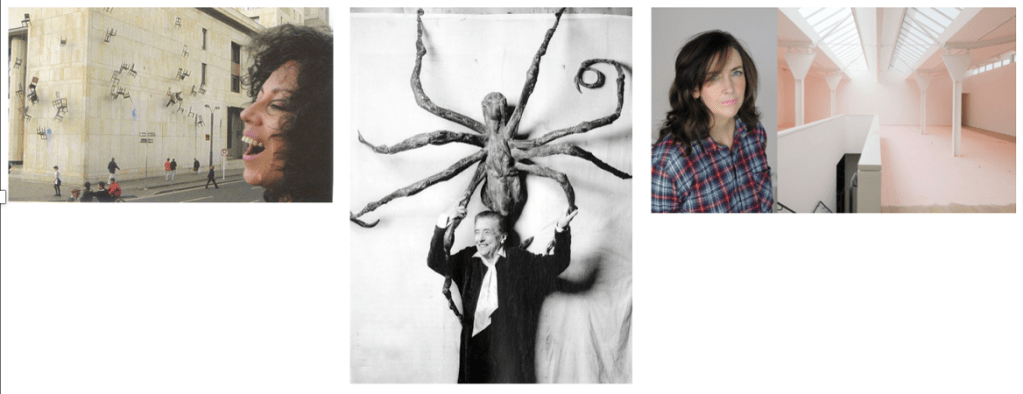
Fig 2. The artists (left to right ) Doris Salcedo, Louise Bourgeois, Karla Black.
Exploration of the female artists in relation to theories and practice.
Artists, Doris Salcedo Louise Bourgeois and Karla Black, share a commitment to exploring materiality and its symbolic potential, with a focus on themes of gender and identity, mourning and loss, giving voice to the agency of materials.
This chapter will examine in greater detail the particular material practices of the female artists mentioned, in relation to the theories and theorists outlined in the previous chapter.
Doris Salcedo
By analysing the theoretical perspectives of Donna Haraway, Karen Barad, and Elizabeth Grosz, we can gain a deeper understanding of Salcedo’s entrenched material practice as it intersects with contemporary feminist and materialist theories. This investigation not only sheds light on her artistic methods but also accentuates her impact on wider dialogues concerning memory, trauma, social and political justice and the significance of materials in the act of storytelling.
Doris Salcedo ( 1958- ) is a Columbian born visual artist and sculptor working at precipice of materiality and the ephemeral. Her work echoes the material theories of Haraway in bringing profound and complex concerns to her practice with her multi layered compositions.
My work is based on experiences I lack: therefore it is made from an unfamiliar, unstable place, simultaneously strange and proper. It is made from an indirect perspective, a place of insufficiency from which a fragmentary, incomplete history is precariously told and retold. Salcedo 2017)
Salcedo also cites this poem by Osip Mandelstam as extraordinarily portraying her practice ;
What I am saying now, is
not being said by me,
It’s dug from the earth,
Like grains of petrified wheat.
These words support the belief that art is about discovering something that thought cannot think. (Kierkegaard 1962) Allowing the non – human material voice to speak, to ouse from the canvas it will shape and uncurl new meaning and sensations for us.
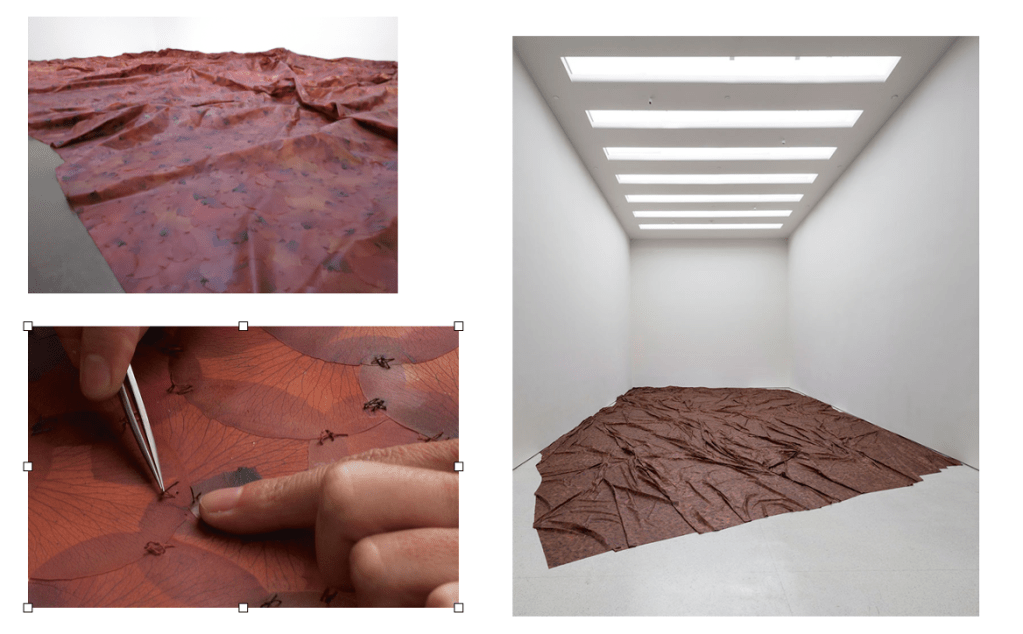
Fig 3. ‘A Flor de Piel’. Salcedo. 2013
The work ‘A Flor de Piel’ ( above ) by Salcedo brings together a complex labour intensive material process and narrative for the artist. Salcedo delved into the psychological and emotional depths of a less known historic tragedy to bring about a shared experience of pain and healing to the viewer. Using a material that symbolises the honouring of the dead, the fragility of life but also a resilience and pertinence to the female psyche, the rose.
Thousands of fragile rose petals were painstakingly stitched together to create the material presence of the wounded flesh of a disappeared victim. It is a tribute and a shrine to a female nurse tortured to death; the funerary ritual denied to her during the Columbian conflict.
Salcedo’s treatment of the rose petal aligns with Haraway’s theories of human and non-human relationships. The respectful and nurturing transformation of the object that communicates memory and loss is an active participant in the storytelling process.
Salcedo conducted numerous experiments with scientists to secure the delicacy and ephemeral qualities of the petals. The intensity and complexity of process needed to secure the materials longevity confronted Salcedo with her own concerns of vulnerability and inadequacy as she was pushed to challenge herself in the making process. Salcedo recognised the material -semiotic quality of the rose petal and its interconnected presence. A practice that aligns with Haraway’s perspective on companion species, using materials and mediums to convey deep emotional scars, like charged players waiting to be actualised by the creative process.
“All objects are also subjects in some sense, lively gatherings of various sorts; things, after all, are knots of various kinds in interactive tissues. Objectivity is about particular and specific relationality, not about disengagement, not about being from everywhere or nowhere.” (Haraway, D.J., 2008. When Species Meet. Minneapolis: University of Minnesota Press.)
The work, which continues to demand great care and preservation crucial for its survival serves as a further metaphor for its visceral material content.
Similarly, Barads concepts of agential realism is pertinent here, objects are not merely inert and stale but powerful symbols in a narrative where words fail or become inadequate, allowing the non-human entities to act , co emerge and perform.( Berger, John. Ways of Seeing. Penguin Books, 1972.)
‘Matter is not a support, backdrop, or a fixed stage upon which human drama unfolds, but rather is an active participant in the world’s becoming, in its ongoing ‘intra-activity.’” ( Karen Barad, Meeting the Universe Halfway: Quantum Physics and the Entanglement of Matter and Meaning)
Choosing to never incorporate any obvious account of violence in her work Salcedo practice concerns two central priorities, political violence and trauma and materiality pushed to new tactics and temporal limits. Influenced by Joseph Buyes who choose to use socio-political materials Salcedo immerses herself in a layering of domestic object and material to capture the wholeness and commonplace nature of the violence and silent absence of those taken away. The pieces are unnerving as they shatter the norms of the everyday domestic traditional seen through the eyes of a wife, mother, daughter. The ordinary objects used convey trauma and reflect a deep engagement with materiality, echoing Butler’s critique of traditional oral chronicling and structures of discourse.
“The ‘I’ that seeks to give an account of itself must begin by understanding the social conditions of its existence and the discursive means by which it comes to have an appearance of being.”(Judith Butler, Giving an Account of Oneself)
Salcedo works with furniture given to her from the families of the victims of violence , she painstakingly scrapes abrades, sews, gauges and patches the furniture the physically, time and effort in making, essential to her homage to the victims as is the exposure and mark making therein. Hidden cuffs of a man’s shirt, or collar of a woman’s blouse peak out from the grey suffocating solid mass of cement, moulded by Salcedo into the ordinary domestic furniture.
Delicate silk threads and human hairs sewn into the wooden tables are part of Salcedo’s complex layering of material, meticulously constructed and likened to a veritable skin bearing the wounds and history of political violence. The materials emerge to reveal an unexpectedly delicate surface evoking a silence and a muffling of the voices within.
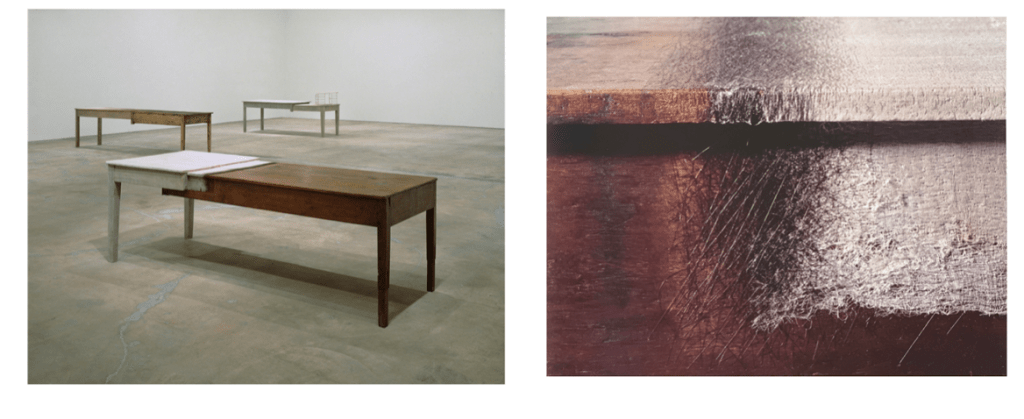
Fig 4. Doris Salcedo. Unland: the orphan’s tunic, 1997/ Detail left: silk and human hair.
The work is a visual scar, the time Salcedo invests in each piece is an essential part of the process of remembrance and honouring of the dead. It is integral to her practice and our understanding of the work.
“The process is tedious and difficult and labour-intensive – It is immoral to forget about these victims. I feel I have an obligation to think of that and to make that the center of my life”. ( Salcedo – Harvard Art Museum)
Salcedo, a mother and an artist embodies passion and empathy. Maternal grief is visceral and hence her interactions with mothers who have lost children to violence continues to inform her work. Spending a number of months in a Bogota mortuary studying the files of dead children, drawing the portraits of these young victims in order to immerse herself in the mother’s testimonies.
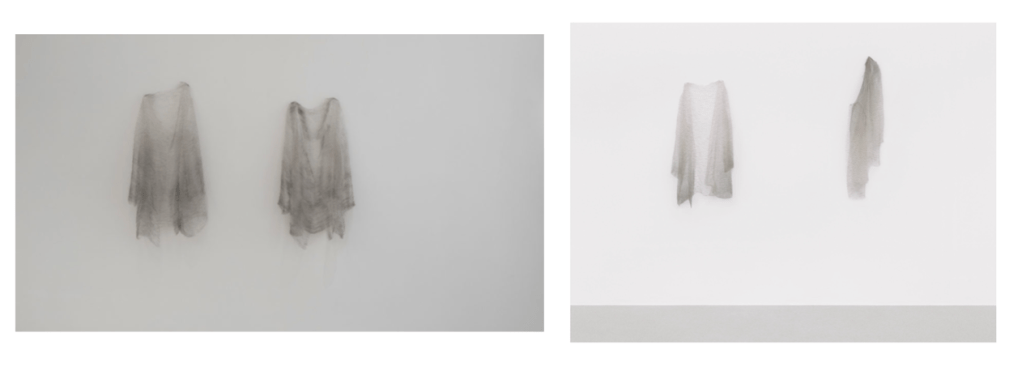
Fig 5. Doris Salcedo. Unland: the orphan’s tunic, 1997
The work that emerged from the tragedy of her time in Bogota was the ‘Disremembered series’. The sculpture, based on her own blouse is an overture to the ephemeral fleeting material qualities Salcedo is passionate about exploiting. Handwoven threads marked by 12,000 tiny blackened needles are interspersed in a deliberate irregular pattern. Each tiny needle is cut and burnished by hand allowing the sculpture to appear ghost like and spectral from a distance. The process of creation was painstakingly laborious and complex and resonates with
the philosopher Elizabeth Grosz who is deeply engaged in the artistic process and its active involvement in in creating new sensations, pushing boundaries of material manipulations to elevated planes.
“Art is the production of an intensification or a series of intensifications and sensations, sensations arrayed, intensified, manipulated, drawn together, then left to float free, in a chaotic universe in which forms resonate rather than mean or symbolize.” ( Elizabeth Grosz, Chaos, Territory, Art: Deleuze and the Framing of the Earth) (Elizabeth Grosz, Chaos, Territory, Art: Deleuze and the Framing of the Earth P )
Salcedo’s art practice in an extension of the visceral and intense sensations that begun in the mortuary. By continually challenges herself she has pushed the boundaries of materiality and the exact nature of the object she created.(Caputo, The Prayers and Tears of Jacques Derrida) It retains an intangible presence that lingers and relays the bleak emptiness of the mothers who will continue to mourn their children’s loss.
‘My work is not a metaphor or a symbol. It is an actualization of the experience of loss and grief. I make works that bring the viewer into that space of trauma and make them feel the absence that I feel”( Salcedo – University of Chicago Press)
The materials that shout – out these unspeakable traumas in diverse public spaces are a crucial point of reference for discourse concerning the role of material practice in art and its potential to heal and transform societal and political ways being. The framework of theories by Grosz, Barad and Haraway bring this inside a deeper academic foreground of investigation and underpinning.
Salcedo’s admiration for artist Louise Bourgeois is well-documented. She has often cited Bourgeois as an influence, particularly appreciating her ability to convey complex emotional states and personal histories through her sculptures. (The Spider, The Mistress, and The Tangerine, edited by Robert Storr, Museum of Modern Art, 2008, p. 187). exploration of themes like memory, trauma, and the body resonates with Salcedo’s own artistic concerns. There is a generation between Bourgeois and Salcedo and yet their passions and practice share a thematic and material dialogue.
Louise Bourgeois
In this chapter, we study the French -American artist Louise Bourgeois ( 1911 – 2010) Her material practice was concerned with a range of emotional and psychological issues. Bourgeois’s use of eclectic and often unconventional materials were used as platform to unravel these career long concerns. Looking to the contemporary theorists of Judith Butler, Karen Barad, and Elizabeth Grosz we can begin to interpret her work and practice.
Perhaps considered the. grand dame’ of mixed media Louise Bourgeois’s use of unpredictable, imposing and eclectic material served as a new vocabulary to explore complex and dark emotions. Metamorphic and explicit they enquire into contradictory ideas surrounding femininity, domesticity, abandonment, insecurity and sexual desire.
Louise Bourgeois’ examination of themes such as sexuality and gender in pieces like “Femme Maison” (1946-1947) echoes Judith Butler’s theory of gender performativity.
“Gender is not something that one is, it is something one does, an act… a ‘doing’ rather than a ‘being’.” ( Butler, J. (1990). Gender Trouble: Feminism and the Subversion of Identity. Routledge.)
In her quote “My sculptures are my body.” Bourgeois underscores the view that her sculptures are in fact an extension of her own body. This sits well along side Butler who asserts that gender identity is not an intrinsic attribute but is continuously formed and reshaped through societal norms and repetitive acts.(Butler, Judith. Gender Trouble: Feminism and the Subversion of Identity. Routledge, 1990.)
Bourgeois’s artwork critiques and questions established gender roles, highlighting the ways in which these identities are constructed through societal expectations and individual experiences.
Bourgeois had a complex relationship to femininity and feminism, recognising on the one had the direct link to the female and domesticity in works such as ‘Femme Maison’ 1946 -7).
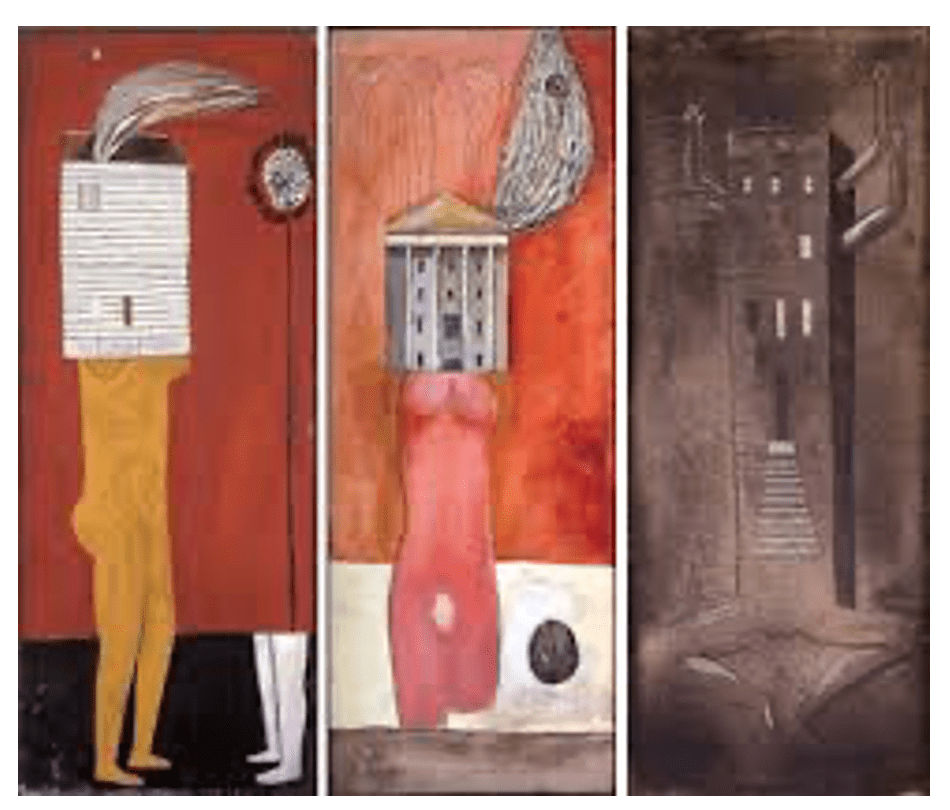
Fig. 6 Louise Bourgeois. Femme Maison. 1946 -7 Oil and Ink on linen ( 91.5 x 35.5.cm)
Exploring a desire to be saved by the male and yet to be actively pushing that notion away, together with the theme and responsibilities of motherhood. Bourgeois came back to this subject matter a number of times first in drawing, then oil and then some 30 years later in a bronze sculpture.
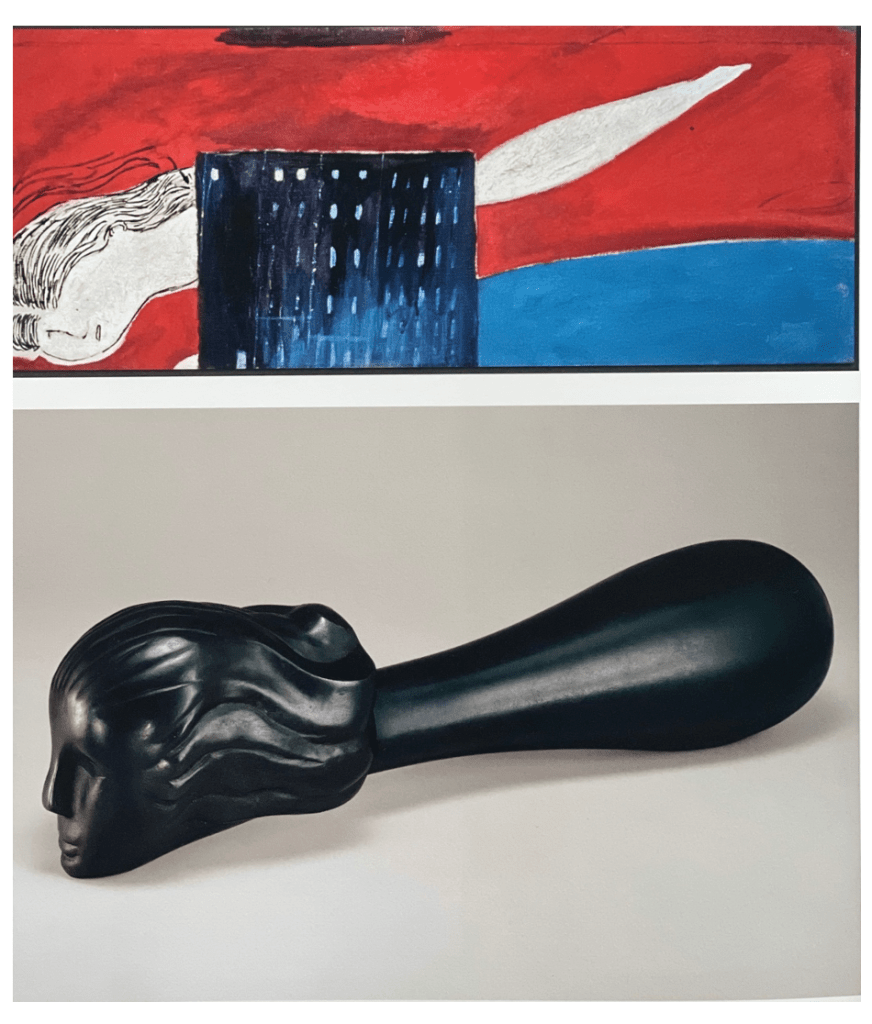
Fig 7. Top. Louise Bourgeois Fallen Woman ( Femme Maison) 1946 -7 Oil on linen( 35.6 91.4 )
Fig 8. Bottom Louise Bourgeois Fallen Woman 1981 Black Bronze and polished patina ( 34.3 x 8.9 x 8.9 )
“Gender is an identity tenuously constituted in time, instituted in an exterior space through a stylized repetition of acts.”(Judith Butler, Gender Trouble: Feminism and the Subversion of Identity)
Bourgeois seemed to be examining this quote by Butler through-out her art carer. The contradictions, patriarchal society and her non-traditional family dynamic fuelled her questioning of the female role. Exploring the complex figurative and material vocabulary of the female, mother and wife.
The black heavy nature of the bronze sculpture showing strength and resilience heightened by its club like formation but also a helplessness that was more apparent in the early oil depiction. Her 1983 works of ‘Femme Maison’ are sculptures created in a standard clay and the juxtaposition of white marble. These ‘woman houses’ are sexually ambiguous in some cases but show a vulnerability, hiding her female identity behind these strong materials, obscured by the domestic domain.
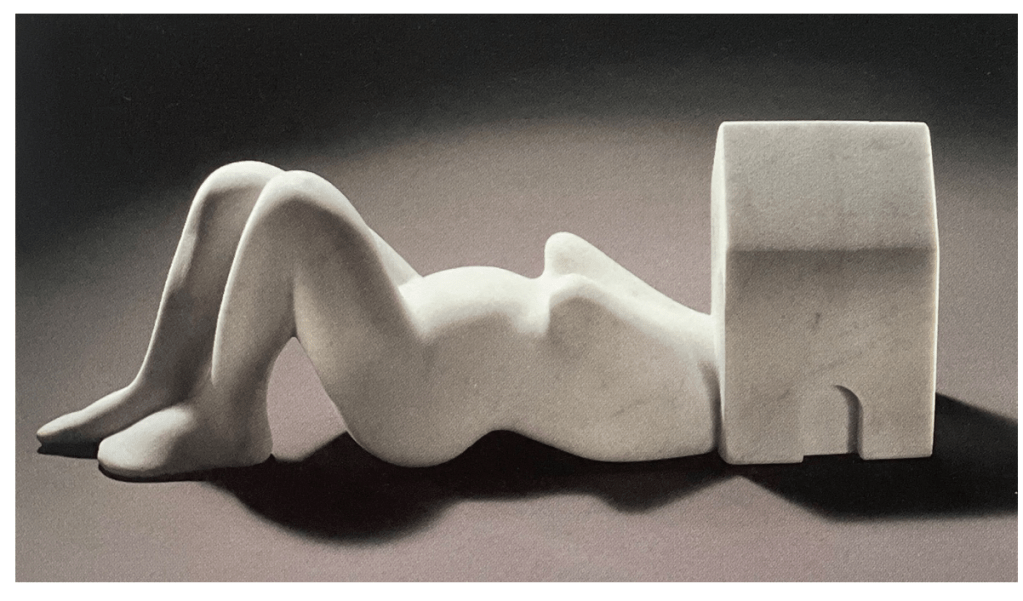
Fig 9. Louise Bourgeois ‘Femme Maison; 1994 White Marble ( 11.4 x 31.6 x 6.7cm)
Bourgeois had a unique way of enabling materials to speak fully ( Morris, Frances. Louise Bourgeois, Tate Publishing, 2007) with the treatment and process of material that evoked a deeper voice, pouring, flowing, oozing, setting, hardening, thawing, coagulating and contracting were as important to her as the final artwork and indeed a metaphor in the way life and her experiences shaped and moulded her,
‘traditional materials limit, where the plaster, hot glue, rubber latex and plastic are the salt of pushing ahead into new concerns’ ( Bourgeois 1988 )
Barads theory of agential realism relates directly to the material practice of Bourgeois and her use of dynamic and fluid processes that are continuous conditions of new possibilities meaning.’
“Matter feels, converses, suffers, desires, yearns and remembers.” ( Karen Barad, Interview in “New Materialism: Interviews & Cartographies”)
This emotive quote by Karen Barad seems pertinent and very much in line with the deep traumas and personal suffering that Bourgeois artistic practice was concerned with, conscious of the emotional engagement and the participation of the material.
Bourgeois was conscious of a materials stifled voice that could come to the centre of the stage if used and explored effectively.
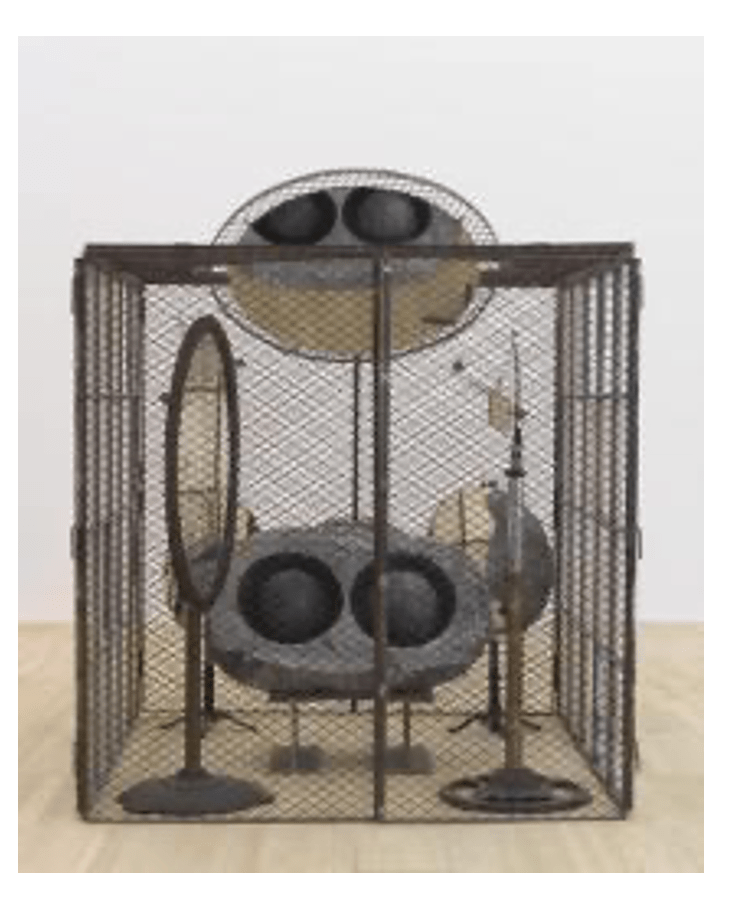
Fig 10. Cell XIV (Portrait) 2000 (Tate AL00230) and Cell (Eyes and Mirrors) 1989–93 (Tate)
Bourgeois ‘Cells’ series explore fear and traumatic emotional events in her life, particularly from her childhood. The emotion is visceral albeit personal to her experiences unlike Salcedo’s who embodies and actualises the experiences of loss, grief and trauma of others. However, both artists are able to bring forth the physiological effects of suffering through their individual material practice and concerns’
“Art is a guarantee of sanity. That is the most important thing I have said.” ( Bourgeois)
When we explore Bourgeois chosen material, we see a range of every day mediums and found objects. She held a passion for scavenging and hoarding, collecting and mending practices picked up from her childhood and her parents tapestry business the family centred around. ‘Cells’ is symbolic of the family home and the traditional associations of it being a female -place.
…‘things are material-semiotic nodes or knots in which diverse bodies and meanings coshape one another.”(Donna Haraway, When Species Meet P.4)
Bourgeois does indeed ‘coshape’ the bodies and meanings that Haraway ascribes to here. Her sculptures and installations actively engage and embody complex storytelling. Bourgeois personal histories become active and live performers in the works made with tapestries and fabric as we understand the connection and inherent presence they had in her life. The material becomes a companion and a comfort in the creative process.
“It matters what matters we use to think other matters with; it matters what stories we tell to tell other stories with; it matters what knots knot knots, what thoughts think thoughts, what descriptions describe descriptions, what ties tie ties. It matters what stories make worlds, what worlds make stories.” -( Donna Haraway, Staying with the Trouble: Making Kin in the Chthulucene, 2016.)
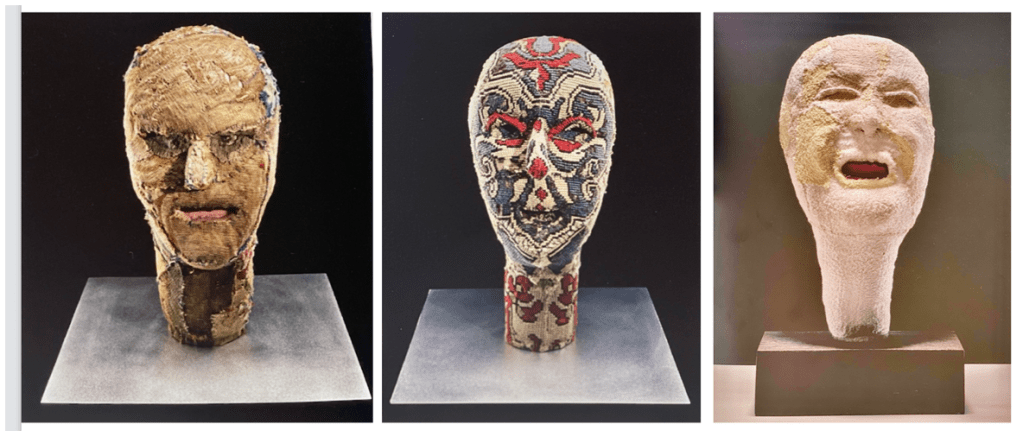
Fig 11. ( Left) Untitled. 2002 Tapestry and Aluminium ( 35.6 x 30.5 x 30.5)
(Centre) Untitled, 2002 Tapestry and Aluminium ( 35.6 x 30.5 x 30.5)
( Right) Rejection 2001 Fabric Steel and Lead. ( 63.5 x 33 x 30.5 )
Bourgeois’ heads are disturbing and unsettling with an intended eloquence and crudeness about them. Looping lines of cotton seams reminiscent of hastily repaired surgical wounds sit alongside distressed and beautifully woven tapestry and forms. They are repaired but scared, voiceless yet noisy, emotional and empty. Perhaps the ultimate metaphors for an artist who continued to be restless and charged seeking the hidden muffled voices from within multiple materials to amplify and expel her own trauma.
Her late works are concerned with age, suffering and vulnerability are pointedly depicted by fabric that she explored as she became more physically frail and unable work with the heaviness and physicality of latex, wood, plaster stone etc.
Her perceived ‘restorative power of the needle and the act of sewing have enabled her to confront her demons through the creation of work‘ that incorporates handsewn fabric shapes and figures…. Giving her work another layer of meaning’ ( quoted in Louise Bourgeois. F.Morris 2007 p266)
The skills and tools needed for this work would have been traditionally taught and absorbed by Bourgeois from an early age by watching and learning from her mother in the family tapestry workshop.
With her day to day anxiety and insomnia well documented Bourgeois is said to have had restless hands that needed to make in order to redefine experiences of her past in an outward show of visceral emotion to achieve a sense of internal peace and calm. Seeking a material remaking of her world where the simple elements she encountered, chunks of wood, a pen, some plaster, clay, mirror or mesh etc could change its intrinsic identity to embody and reference the human conditions of male, female, animal, mineral, domesticity, patriarchy and feminism.
Her unprepossessing use of material exploration was relentless through her life- time of practice.
To talk about the sleep of the material is a wonderful image… you have to wake it, to wake the material up’ ( Bourgeois. Meyer-Thoss 1992)
Bourgeois demonstrated a lifelong restlessness needing to change and adapt through various stages of her life. Grosz concept of ‘becoming’ describes the process which entities especially bodies are not static, they are continually in flux. (Grosz, Elizabeth. Chaos, Territory, Art: Deleuze and the Framing of the Earth. Columbia University Press, 2008) She argued the body was dynamic continually engaging and adapting to and shaping its environment
“The body is not an object, not a substance or a thing; it is a process and the threshold of indeterminacy, an opening toward transformation.’(“Elizabeth Grosz, Volatile Bodies: Toward a Corporeal Feminism)
Bourgeois was fully engaged and convinced of the powerful silent voice and record of matter and form.
“Materials are used not because they are the right materials but because they are the exact material to express the feeling I have and I am working with.” ( Bourgeois )
Bourgeois immersed herself in a continual visual and tactile material practice striving to make sense of some of the intangible aspects of human experience and emotion. They are deeply personal and refer to her own life experiences calling upon material familiar and historic to her surroundings. Her continued search for identity and atonement are concisely put by Grosz.
‘Art is where the becoming’s of the earth couple with the becoming’s of life to produce intensities and sensations that in themselves summon up a new kind of life: ( Grosz. Chaos Territory Art)
Bourgeois works can be seen as a profound enquiry into the human condition. Her struggles, anxiety and insomnia deeply inform her artistic practice and act as a dialogue between viewer and herself. She was forward thinking in her approach to the agency of materials and objects and predate the theories of Barad agential realism and Haraway’s material semiotic actors. Bourgeois, like Butler questioned the female identity and embraced the forces, fluidity and healing properties of art.
…it is where intensities proliferate, where forces are expressed for their own sake where sensation lives and experiments future is affectively and perceptually anticipated.’( Grosz – Chaos Territory, Art)
Bourgeois pioneering thematic and material connections continue to influence contemporary artists such as Karla Black known for her sculptural works that incorporate dialogue between the every day and ephemeral materials such as plaster, chalk, soap, polythene, and cosmetics.
Karla Black
This chapter examines the fresh and inventive approach of Karla Black’ material practice which not only challenges traditional artistic norms but also deeply engages with contemporary feminist theories of Judith Butler, Donna Haraway, and Elizabeth Grosz, Black’s use of materials traditionally associated with femininity—such as makeup and toiletries—serves as a dynamic platform to interrogate and subvert conventional gender norms and the distinctions between high and low art. (Dohm, K. (ed.) (2019) Karla Black. Conditions. Exhibition at Schirn Kunsthalle Frankfurt, 25 October 2019 – 19 January 2020. Frankfurt:))
Karla Black’s ( 1972 – ) approach to materiality offers a unique view that aligns with Judith Butler’s theories on the performative nature of identity questioning the traditional narratives and perceptions of matter. Butler challenges the notion of inherent or natural gender identities proposing instead that they are the result of social constructions
‘Gender is a kind of imitation for which there is no original; in fact, it is a kind of imitation that produces the very notion of the original as an effect of the imitation.” (Judith Butler, Gender Trouble: Feminism and the Subversion of Identity)
Black’s use of materials are traditionally associated with femininity and domesticity and are in place to question these tropes and norms and the gendered associations with them.( Deleuze 1994a, Difference and Repetition.P39)
Materials perhaps more commonly associated with the female or feminine are explored and exploited by Black to push boundaries between high and low art, and associations with material identity and gender.
‘I don’t just chuck things. It is about balance and precariousness. I think about the psychology of materials and what they mean in terms of societal consumption, historical applications, and even their sexual connotations.’ ( Karla Black)
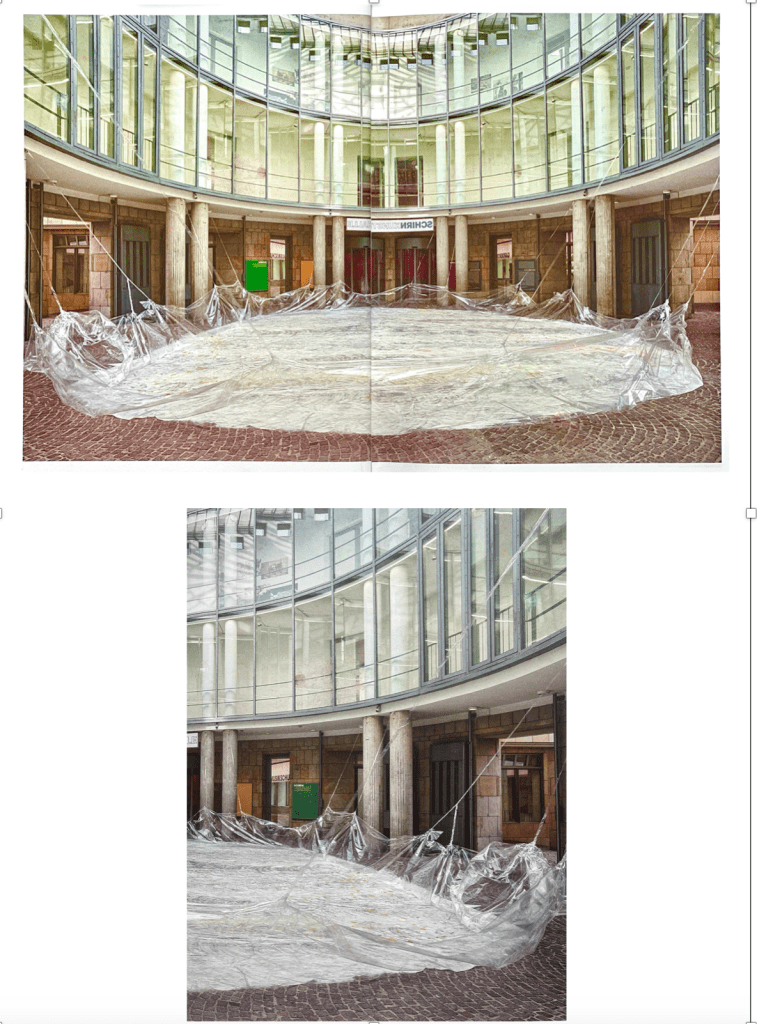
Fig 12. Karla Black. Conditions 2019 (Cellophane foil, Vaseline, body moisturiser, powder paint, gold leaf, copper leaf, glass, wax, sticky tape, thread.)
Blacks process concerns an unconscious and initially instinctively working practice with materials and the space they will occupy. Her works are site specific installations that emerge ethereally from the space. There is an immediacy to the work as well as a quiet presence as Black works directly in the space emphasising special features of the space and reacting to the constraints and parameters of the site.
In contrast to Salcedo and Bourgeois it is the abstract aesthetic associations of colour, material and composition that are key to her practice. It is the life and energy that ooze from the site-specific work, its raw materials are the urgent and crucial agency of the work.
By engaging with materials in ways that emphasize their physicality and sensory qualities, Black’s work challenges traditional perceptions, using the evident material aspects of her art to explore and question constructs of identity and gender.
Black states ‘ You cant gender a colour, surely or a material. Of course I am a feminist and it bothers me greatly that only women’s work is gendered, and that the ‘normal’ artist is a man …..it is insulting to me that and to all women when my work is labelled ‘ feminine’ because it is perceived as slight, ephemeral, fragile, pale….( Karla Black 2020)
Just as Black challenges the dichotomy between high art materials and others associated with the feminine so does Butler question how materiality can be intertwined with identity, highlighting its societal constructs.(Kontturi, K. (2019). Ways of Following: Art, Materiality, Collaboration. Open Humanities Press.)
“Identity is performatively constituted by the very ‘expressions’ that are said to be its results.”(Judith Butler, Gender Trouble: Feminism and the Subversion of Identity)
Black’s work is often large scale and utilises volumes (tonnes) of heavy every day materials. Her concern is to explore the performative nature of these materials in vast quantities to expand the rawness and life inherent in the materials. Her unique mixtures of sugar, paper, chalk dust, thread and powdered medicines soap, makeup, cotton wool and toothpaste, pigment, paper, and cellophane are playful and enquiring.
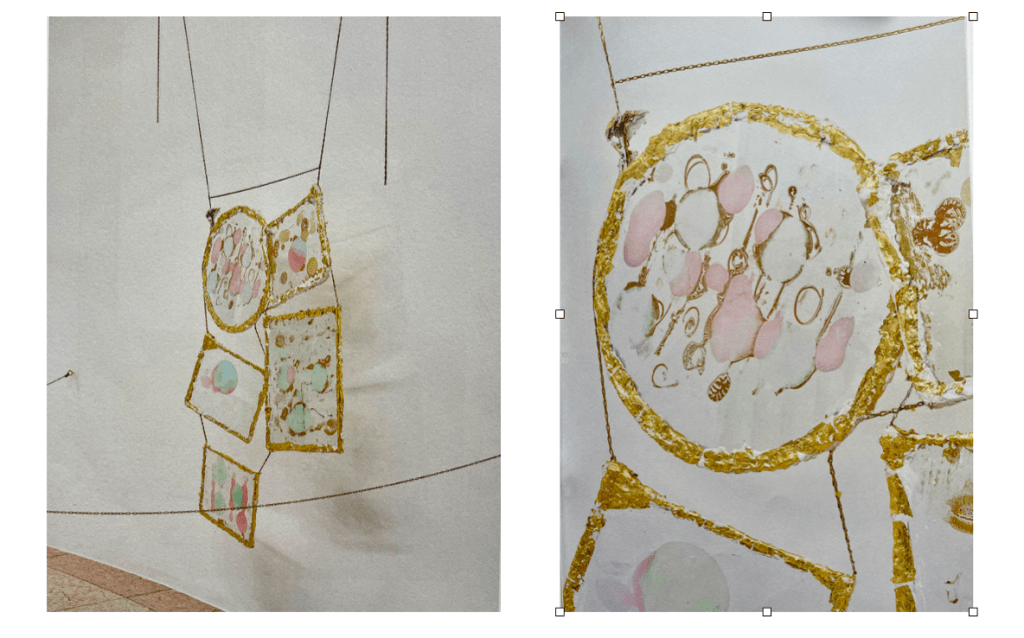
Fig 13 . Karla Black. The Rest Imposed 2018. ( glass, clay, gold leaf, lipstick, Vaseline, lipstick, foundation) ( 199.5 x 69 x 3.5cm )
Concocted together they can create non-drying almost absent ethereal sculptures and forms on the edge of competent description. Black seeks out material that challenge and evoke physical engagement and sensory responses. The work is often on the verge of not being, they probe questions of durability and performance.
It is important to me that the work is on the edge of physical collapse and is largely and obviously impermanent.” (Karla Black)
Black’s practice concerns the boundaries of impermanence and ongoing transformation and are perhaps further underpinned by Donna Haraway’s theories on boundaries. She advocates the need to become more fluid in the understanding of relationships and identities recognising the societal needs and abilities to distort boundaries and patrician using the agency of material.
Concerned with apparency and visuality, the aesthetics of the material is an essential quality to Black. Many of these materials may embody the intimate, daily rituals that are commonly associated with women, such as applying make-up, looking in mirrors etc however her practice is concerned with the physical merits of matter: its tactile, aesthetic appeal, rather than its perceived cultural connotations.
It is essential for Black to retain the lightness and immediacy of the work, not differentiating between body and mind it is an immersive experience that combines both.
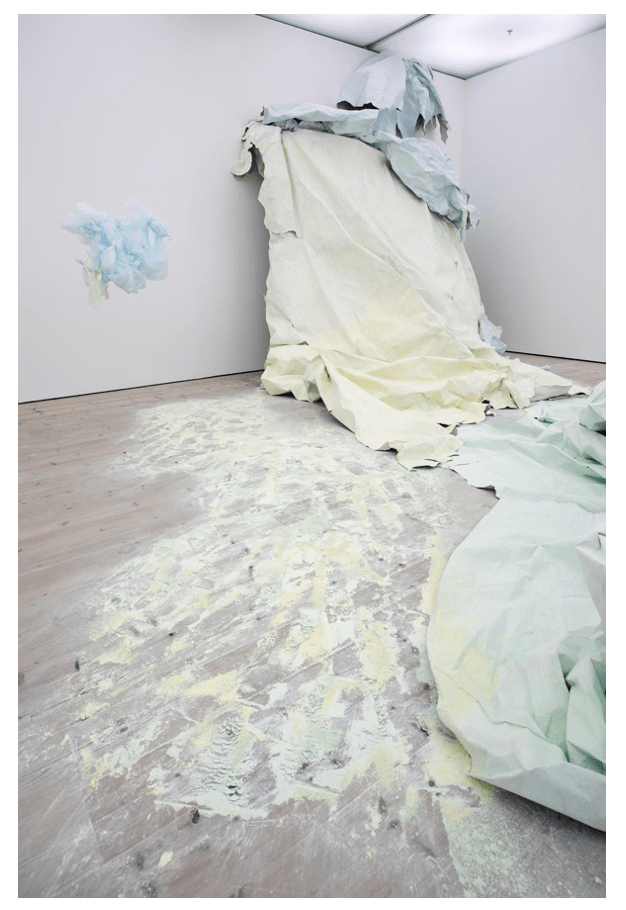
Fig 14. Karla Black. Doesn’t Care In Words 2011 .Installation view, Turner Prize, Baltic Centre for Contemporary Art, UK
(Cellophane, paint, Sellotape, sugar paper, chalk, powder paint, plaster powder, wood, polystyrene, polythene, thread, bath bombs, petroleum jelly, moisturising cream)/ Dimensions variable
‘ A direct, physical relationship of the human being to the earth, the land or material in general is what I concentrate on’ ( Karla Black 2020)
Black wants the viewer to be engulfed and absorbed by the work ‘like a person alone in a landscape’ ( Black 2020).
There is a sense of escapism in the sculptures an urge to leave behind and wash off some of the traumas and stresses of the moment or day and exist only in the moment as the viewer ingests the works. She encourages this performative aspect of the art and the experience of engaging with it. Allowing some physical interaction with handprints or throwing body butter at a ceiling. She ascribes her family as having a strong performative and manual influence on her process. Recognising her father in her gestural painting process and striving to embody the exuberance and carefree nature that her young daughter takes to the world.
The transient and constructed nature of identity together with the predominance of logocentricity are all confronted by Blacks work and connects and corresponds not only to Judith Butler theories on materiality but also to Elizabeth Grosz explorations of sensations and their relations to the material world.
Grosz suggests that our sensory experiences are in relation to something outside of us, and hence acknowledging the external worlds influence and impact on our internal experiences. I believe Karla Black is trying to offer the viewer an independent space to experience these sensations in her immersive installations. Whilst Grosz is concerned with the female body being the site of oppression and resistance her insight into material sensation and cultural expectations considers the following :
‘This is why art, the composition of material elements that area always more than material is the major – perhaps the only – way in which living beings deal with and enjoy the intensities that are not contained within but are extracted from the naturel world chaos.’ (Grosz -(‘Chaos Territory, Art’ Columbia University Press – Wellbeck Library Lectures 2007)
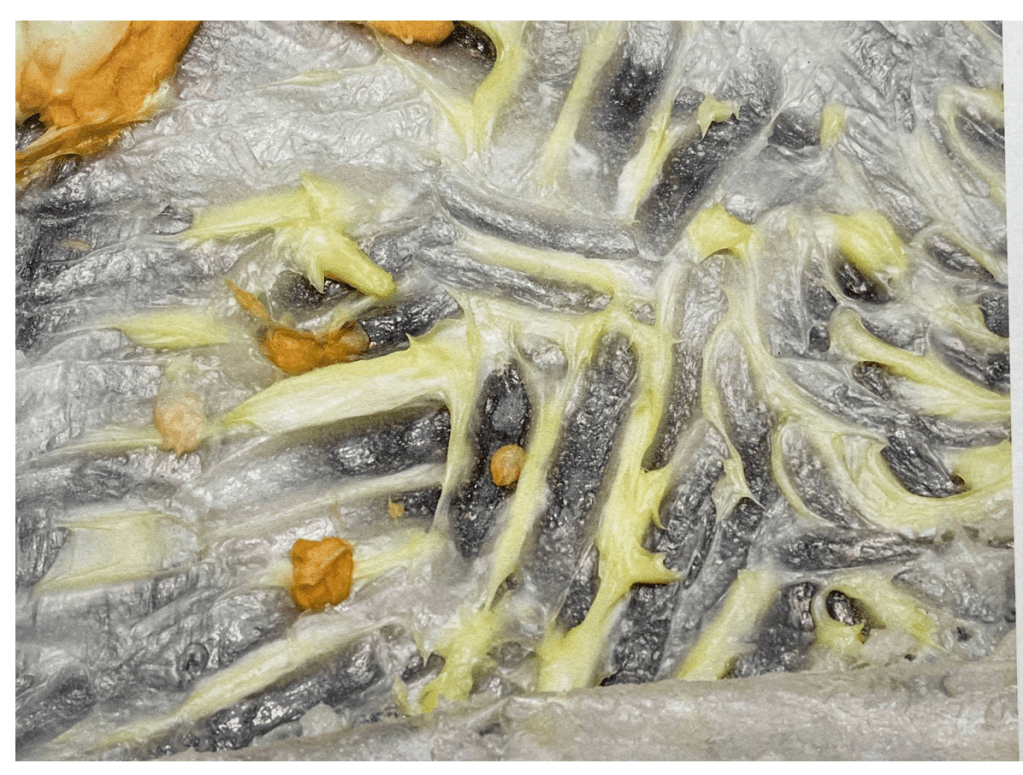
Fig 15 .Karla Black .(Detail) Conditions 2019
Karla Black’s art can be understood as a visual and material exploration of Elizabeth Grosz’s philosophical ideas about the body, sensation, and materiality and our enactment with it. It is also worth considering the shared focus on the active role materials take on in shaping reality and experience, Karen Barad’s echoes these in her quote :
‘Matter is not inert; it’s active, responsive, generative, and performative.” ( Karen Barad, Meeting the Universe Halfway: Quantum Physics and the Entanglement of Matter and Meaning)
Through Black’s material practice, we see a manifestation of the theoretical ideas proposed by Butler, Haraway, and Grosz, illustrating a layered approach to identity and performativity. We can unpick the relevance of feminist theories in interpreting and appreciating the complexities of her practice. Black’s work invites us to consider the performative and transformative power of materials, encouraging viewers into a shared space of reflection, interaction, and sensory engagement.
Chapter 4 – Evaluation
Both Salcedo and Bourgeois practice is engaged with psychological and emotional landscapes, their work is underpinned by the theories of Haraway who considers non-human entities as active and crucial in conveying visceral meaning. Challenging the primacy of the written and spoken word. This is highlighted with Salcedo’s entrenched and nurturing material enquiry that carriers a narrative of collective trauma in A Flor de Piel (2013) where a sheet of rose petals becomes a place of mourning and remembrance and in contrast Bourgeois’ use of domestic fabrics imbued with animate qualities confronts deeply personal pain and neglect in her works such as ‘Rejection’ (2001). Salcedo and Bourgeois have an inherent and cohesive understanding that Haraway articulates as “material-semiotic actors”. Haraway, D.J. (2016). Staying with the Trouble: Making Kin in the Chthulucene. Durham, NC: Duke University Press.)
Karla Black’s use of ephemeral materials to create site-specific installations aligns with Judith Butler’s notion of performativity and gender where the identity and meaning of materials are not predetermined but are constantly enacted and redefined through viewer engagement. Similarly Salcedo’s use of organic and industrial materials not only questions the permanence and visibility of sculptural works but their performative platforms and non gender specific interactions and responses .
Elizabeth Grosz’s theory revolves around rejecting fixed cultural identities and sees material as a host to interconnect the organic and non – organic forces and identities. Both Black and Salcedo challenge and actively promote this in their practice where matter gives voice, purpose and significance. Bourgeois’ sculptures, which often incorporate body-like forms and textures, also engage with Elizabeth Grosz’s ideas on the body as a site of cultural and historical imprint and preconception.
The connections and associations in theory and practice among these artists and theorists emphasise the transformative and evolving potential of materiality in art, advocating that materials can do more than represent, they actively participate in and shape artistic and social discourses.
Chapter 5 – Conclusion
Insights , Interpretation and Significance ( and to my. Practice)
The present day theories of Judith Butler, Donna Haraway, and Karen Barad and Elizabeth Grosz intersect in various ways, and provides a solid frame work to underscore material dynamics in contemporary art. While their theories are unique, they share the importance of individuality, the dominance of logocentrism and the need to find new ways to explore, engage and communicate in the current Anthropocene.
My work has been and will continue to be informed by the artists discussed in this essay and others too numerous to mention but share common themes and practice. Whilst some of the core narratives of the artists I have researched, trauma, violence, political and cultural unrest, do not resonate with me personally, as a woman artist, mother, a worker and home manger I have recognised and experienced the struggles, anxieties and patriarchal tropes of the society I occupy.
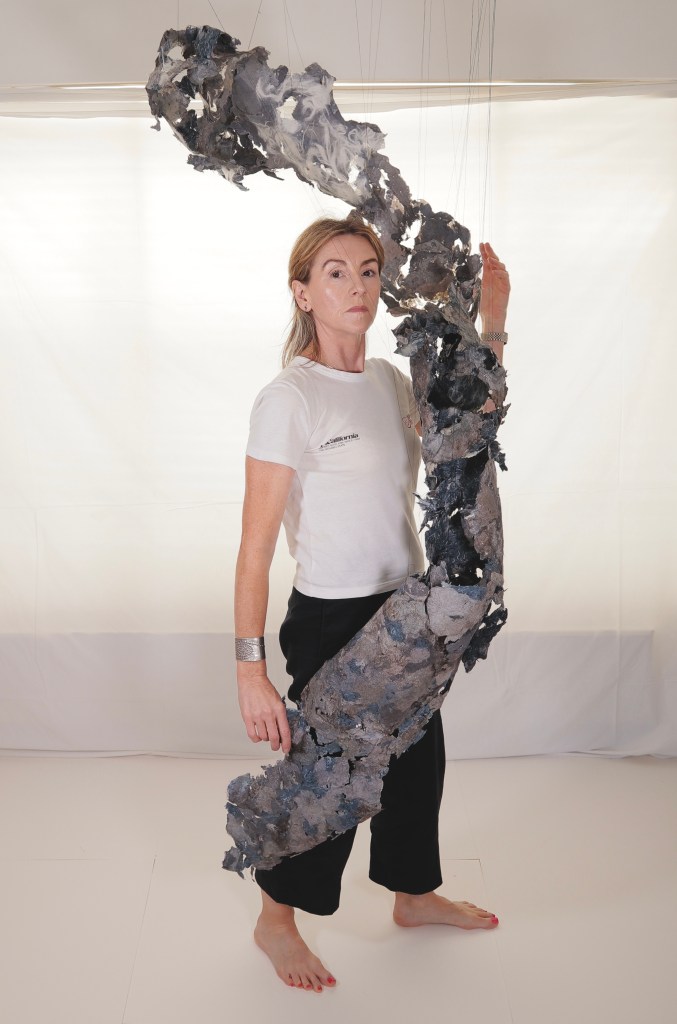
Fig 16. Melissa Sharpe – Machine Detritus (found material )
I have used the material qualities of matter, detritus, the found object of the everyday to explore these issues in a manner befitting my environment and my experiences in the hope it would also resonate with other females.
This need for connectedness amongst my peers together with a general and inherent inquisitive nature into the discarded and hidden has formed the basis of my material practice into the continually dominant female domestic work and societal trope.Lange-Berndt, P. (Ed.) (2015). Materiality. Whitechapel Gallery. MIT Press. P17)
Salcedo, Bourgeois and Black have exposed a significant understanding of their material practice and process. The deep-rooted cohesion between practice, purpose is beyond any simply visual aesthetic. This has been solidly underscored and supported by the integration of theoretical knowledge. I have, consequently, assimilated a new platform of enquiry to underpin and inspire my continued journey into material practice.
The importance of material enquiry is an important alternative to the dominance of spoken language or written word. Allowing universal and cultural connections that facilitate deeper philosophical relations to be unearthed.
In order to describe and emotionally engage with the violence and trauma Salcedo has experienced or the anxiety and maternal depravation of Bourgeois or the sensations to step outside our body and its cultural identities Black encourages, demanded a new visual language. It is essential and requisite that we allow the material to navigate and speak, recounting its historic and silenced narrative,
Petra Lange-Berndt essay ‘How to be complicit with Materials’ ( Whitechapel Gallery) underscores the importance of embracing materiality as a vital aspect of artistic practice. She actively encourages artists to develop a more nuanced and complicit relationship with materials.
‘ To follow the material means not to discuss aesthetic issues of quality expressiveness or symbolic content but to investigate transpersonal societal problems and matters of concern… to open the meanings of the materials is to be able to tell their histories’ Lange -Berndt stated in her essay ‘How to be complicit with Materials’ ( White Chapel Gallery )
Recognising their agency, their ethical and political considerations we can investigate fully transpersonal societal problems and situate artistic practice within historical, political and personal perspectives. In line with the theories of Haraway if we become complicit with material practice we can also engage with other peers and disciplines for a more rounded embracing artistic culture.
“The Anthropocene era requires not a new image of the world but the transformation of the world into images” (Dipesh Chakrabarty.)
REFERENCE :
- Kontturi, K.-K. (2018). Ways of Following: Art, Materiality, and Collaboration. Open Humanities Press.
- Davis, H. & Turpin, E. (Eds.). (2014). Art in the Anthropocene: Encounters Among Aesthetics, Politics, Environments and Epistemologies. Open Humanities Press.
- Cottrell, S. (2017). Critical Thinking Skills: Developing Effective Analysis and Argument (3rd ed.). Palgrave Macmillan.
- Williams, G. (2014). How to Write About Contemporary Art. Thames & Hudson.
- Robson, C. (2011). Real World Research (3rd ed.). Wiley.
- Haraway, D. J. (2016). Staying with the Trouble: Making Kin in the Chthulucene. Duke University Press.
- Berger, J. (1972). Ways of Seeing. Penguin Books.
- Evans, J. & Hall, S. (Eds.). (1999). Visual Culture: The Reader. Sage.
- Steene, M. (2019). Exploring the Margins of Art. Invisible Books.
- Whitechapel Gallery. (2015). Materiality. MIT Press.
- Harrison, C. & Wood, P. (Eds.). (2003). Art in Theory 1900-2000: An Anthology of Changing Ideas. Blackwell Publishing.
- Graylingwell Heritage Project. (2019). Beneath the Water Tower. Self-published.
- Walker, B. (2006). The Woman’s Dictionary of Symbols and Sacred Objects. Harper San Francisco.
- Hessel, K. (2021). The Story of Art Without Men. HarperCollins.
- Blazwick, I. (2020). Cornelia Parker. Thames & Hudson.
- Dismorr, J. (2018). Radical Women: Jessica Dismorr and Her Contemporaries. Lund Humphries.
- Tate Publishing. (2020). Maria Bartuszova: Provisional Forms. Tate Publishing.
- Morris, F. (Ed.). (2007). Louise Bourgeois. Rizzoli.
- Kelly, M. (1996). Mary Kelly. Phaidon Press.
- Enriquez, M. S. & Salcedo, D. (2016). Doris Salcedo: The Materiality of Mourning. Harvard Art Museums.
- Heyse-Moore, D. (Ed.). (2023). Sarah Lucas: Happy Gas. Tate Publishing.
- Arts Council Collection. (2020). Breaking the Mould: Sculpture by Women Since 1945. Arts Council.
- Grosz, E. (2008). Chaos, Territory, Art: Deleuze and the Framing of the Earth. Columbia University Press.
- Pollock, G. (2017). Vision and Difference: Feminism, Femininity and Histories of Art. Routledge.
Bibliography
- Barad, K. (2007). Meeting the Universe Halfway: Quantum Physics and the Entanglement of Matter and Meaning. Durham, NC: Duke University Press.
- Bertola, C. (2011). Unseen by All But Me Alone. GRAIN and New Art Gallery Walsall.
- Blazwick, I. (2013). Cornelia Parker. Thames and Hudson.
- Butler, J. (1990). Gender Trouble: Feminism and the Subversion of Identity. Routledge.
- Butler, J. (1993). ‘Bodies that Matter.’ In: Materiality: Documents of Contemporary Art, p. 120.
- Dohm, K. (ed.) (2019) Karla Black. Conditions. Exhibition at Schirn Kunsthalle Frankfurt, 25 October 2019 – 19 January 2020. Frankfurt: Schirn Kunsthalle; Vienna: VfmK Verlag für moderne Kunst GmbH. ISBN 978-3-903320-33-8.
- Grosz, E. (2007). Chaos, Territory, Art: Deleuze and the Framing of the Earth. Columbia University Press.
- Haraway, D.J. (2008). When Species Meet. Minneapolis: University of Minnesota Press.
- Haraway, D.J. (2016). Staying with the Trouble: Making Kin in the Chthulucene. Durham, NC: Duke University Press.
- Johnstone, S. (Ed.) (2008). The Everyday: Documents of Contemporary Art. Whitechapel Gallery. MIT Press.
- Kelly, M. (1997). Mary Kelly. Edited by M. Iversen. Phaidon. London.
- Kontturi, K. (2019). Ways of Following: Art, Materiality, Collaboration. Open Humanities Press.
- Lange-Berndt, P. (Ed.) (2015). Materiality. Whitechapel Gallery. MIT Press.
- Morris, F. (2008). Louise Bourgeois. Rizzola/Electa. USA.
- Rubel, D. (2012). Plasticity: An Art History of the Mutable. Translated by Philippa Hurd, 2015.
- Salcedo, D. (2016). The Materiality of Mourning. Yale UniversityBlack, K. (2024)
- Doris Salcedo on Colombian Society – In this interview, Salcedo discusses the societal issues in Colombia, reflecting her deep engagement with the country’s socio-political landscape. Watch the interview on YouTube
- Doris Salcedo in “Compassion” – Art21 – This segment from Art21 features Salcedo discussing themes of compassion within her artwork, providing insight into her artistic philosophy and motivations. Watch the interview on YouTube
- Material Visions: Wood | Untitled, Doris Salcedo, 2003, Istanbul – This presentation focuses on Salcedo’s work titled “Untitled” from 2003, showcased in Istanbul, where she explores the material properties and symbolic meanings of wood in her sculptures. Watch the interview on YouTube
- Karla Black and Structure & Material [Online]. Available at: https://www.youtube.com/watch?v=tsHe7cb_DKo (Accessed: 16 July 2024).
- Black, K. (2024) Karla Black | Materials [Online]. Available at: https://www.youtube.com/watch?v=WM1UfVHfg3g (Accessed: 16 July 2024).
- TateShots, “Louise Bourgeois – ‘I Transform Hate Into Love’”, YouTube, 2016. Available at: TateShots.
- “Louise Bourgeois: The Spider, the Mistress and the Tangerine”, Full Documentary, YouTube. Available at: YouTube.
Illustrations:
Fig 1. Karla Black Looking Glass Number 14, 2019 ( 60 x45) Dohm, K. (ed.) (2019) Karla Black. Conditions. Exhibition at Schirn Kunsthalle.
Fig 2. The artists (left to right ) Doris Salcedo, Louise Bourgeois, Karla Black. Google images. Accessed July 2024.
Fig 3.Doris Salcedo ‘A Flor de Piel’ Salcedo. 2013. Salcedo, D. (2016). The Materiality of Mourning. Yale UniversityBlack, K. (2024) Page 122-127)
Fig 4. Doris Salcedo. Unland: the orphan’s tunic, 1997/ Detail left: silk and human hair. ( Piel’ Salcedo. 2013. Salcedo, D. (2016). The Materiality of Mourning. Yale UniversityBlack, K. (2024) Page 45 & 73)
Fig 5. Doris Salcedo. Disremembered, 2014. Salcedo, D. ( 2016) The Materiality of Mourning. Yale University Black, K. ( 2014 ) ( Page 130).
Fig 6. Louise Bourgeois. Femme Maison. 1946 -7 Oil and Ink on linen ( 91.5 x 35.5.cm) P 126
Fig 7. Louise Bourgeois Fallen Woman ( Femme Maison) 1946 -7 Oil on linen( 35.6 91.4 ) Louise Bourgeois. Rizzola/Electa. USA Page 140
Fig 8 Louise Bourgeois Fallen Woman 1981 Black Bronze and polished patina ( 34.3 x 8.9 x 8.9 ) P126
Fig 9, Louise Bourgeois ‘Femme Maison; 1994 White Marble ( 11.4 x 31.6 x 6.7cm ) Morris, F. (2008).. Page 139.
Fig 10 top Louise Bourgeois Cell XIV (Portrait) 2000 (Tate AL00230) and Cell (Eyes and Mirrors) 1989–93 (Tate) At: https://www.tate.org.uk/art/artworks/bourgeois-cell-eyes-and-mirrors-t06899( Accessed July 2024)
Fig 11. ( Left) Untitled. 2002 Tapestry and Aluminium ( 35.6 x 30.5 x 30.5)(
Centre) Untitled, 2002 Tapestry and Aluminium ( 35.6 x 30.5 x 30.5)
( Right) Rejection 2001 Fabric Steel and Lead. ( 63.5 x 33 x 30.5 )
Fig 12 Fig Karla Black. Conditions 2019 (Cellophane foil, Vaseline, body moisturiser, powder paint, gold leaf, copper leaf, glass, wax, sticky tape, thread.) Dohm, K. (ed.) (2019) Karla Black. Conditions. Exhibition at Schirn Kunsthalle Frankfurt, 25 October 2019 – 19 January 2020. Frankfurt: Schirn Kunsthalle; Vienna:
Fig 13 Karla Black. The Rest Imposed 2018. ( glass, clay, gold leaf, lipstick, Vaseline, lipstick, foundation) ( 199.5 x 69 x 3.5cm ) Dohm, K. (ed.) (2019) Karla Black. Conditions. Exhibition at Schirn Kunsthalle Frankfurt, 25 October 2019 – 19 January 2020. Frankfurt: Schirn Kunsthalle; Vienna:
Fig 14. Karla Black. Doesn’t Care in Words. 2011. @ https://www.capitainpetzel.de/artists/33-karla-black/works/10133-karla-black-doesnt-care-in-words-2011/ ( accessed July 2024)
Fig 15 Fig Karla Black .(Detail) Conditions 2019 (Cellophane foil, Vaseline, body moisturiser, powder paint, gold leaf, copper leaf, glass, wax, sticky tape, thread.) Dohm, K. (ed.) (2019) Karla Black. Conditions. Exhibition at Schirn Kunsthalle Frankfurt, 25 October 2019 – 19 January 2020. Frankfurt: Schirn Kunsthalle; Vienna:
(Word count 5498 minus quotes, citations and illustration ref.)
DECLARATION:
“This dissertation is the product of my own work.
I agree that it may be made available for reference and photocopying at
the discretion of the University.”
 The Sharpe Gallery